Why does the Circle Skirt continue to attract buyers? Its appeal is visible in motion: a clean waistband, a broad hem, and fabric that swings with each step. The shape can feel polished with a tucked-in blouse or relaxed with a simple cotton tee. It also suits many occasions without demanding a complicated outfit. These details help explain its staying power, though style alone does not prove why every buyer chooses one.
Industry conditions offer useful context. The McKinsey and Business of Fashion State of Fashion 2024 report projected 2–4% growth for the global fashion industry, a modest outlook that puts value and versatility in focus. The Ellen MacArthur Foundation’s A New Textiles Economy report found that less than 1% of material used to make clothing was recycled into new clothing. Ellen MacArthur, founder of the Foundation, champions keeping products and materials in use. That principle invites a practical question: can one well-made skirt earn repeated wear? Sometimes, yes. But a circle skirt is not automatically durable or sustainable. Fabric quality, stitching, fit, and care matter. A waistband that twists or a heavy hem that drags can spoil the promise. Buyers may love the sweep, yet still need to check the seams.
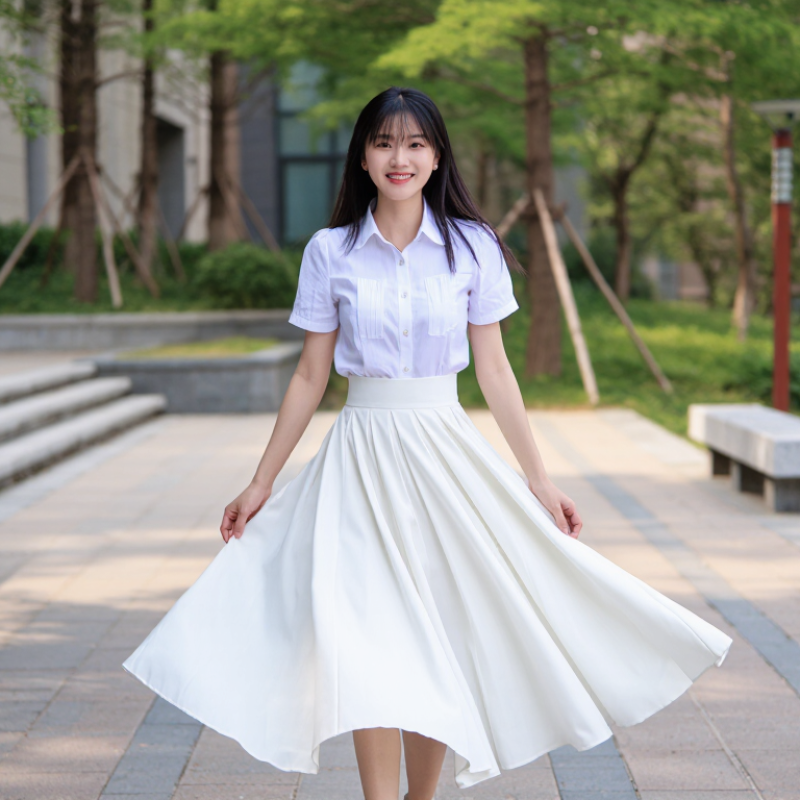
A circle skirt is defined by its pattern: fabric is cut into a circle or part of one, with a smaller opening at the center for the waist. A full-circle cut creates a broad, fluid hem; a half-circle cut uses less fabric and usually falls closer to the body. The waist opening, skirt length, and fabric weight all affect the final shape. It moves easily. That’s the appeal.
The cut also explains why two circle skirts can look quite different. Lightweight fabric may flutter around the knees, while heavier cloth can form deeper folds. Sections of the skirt sit on the bias, or diagonal grain, and may stretch under their own weight. Letting the skirt hang before hemming can help even out the hemline. It is a small detail, but easy to overlook.
Textile Exchange’s Materials Market Report 2024 estimates that global fiber production reached 124 million tonnes in 2023. This figure describes fiber supply, not circle-skirt sales, but it highlights the scale of material choices behind everyday clothing. For buyers, the simple cut can offer movement without complicated shaping, and it works at several lengths. Still, a very full version can feel bulky at the waist. The circle is clever, not perfect.
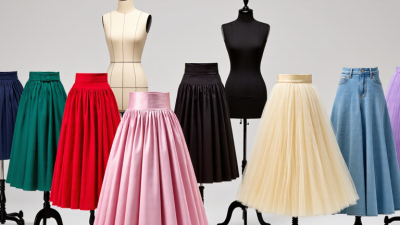
A circle skirt gains its volume from its pattern, not from rows of gathers. The fabric forms a ring around a small waist opening, allowing fullness to spread evenly from the waist to the hem. That clean construction can create a smooth fit at the top and a generous sweep below. No bulky gathers.
As the wearer walks, the hem travels in a broad arc. A turn can lift the skirt briefly, while a breeze may shift the fabric to one side. The effect depends on cloth choice: lightweight cotton or rayon moves readily, while heavier fabric tends to swing with a slower, more grounded feel. Length matters, too. A longer hem has more fabric to move, but it may feel less practical on stairs or in crowded spaces.
The cut is appealing, but it is not magic. A very full skirt can feel warm, and slippery fabric may need careful handling during sewing. The waist opening and grain direction also affect how the skirt hangs; sections cut on the bias can stretch slightly over time. Buyers can look for a hem that falls evenly and a waistband that sits comfortably when they move. Small details matter. A skirt should move freely, not just look full on a hanger.
A circle skirt’s movement depends less on its print than on how its fabric falls. Lightweight cotton voile and viscose create soft, frequent ripples; crisp cotton poplin holds a clearer bell shape. Satin can skim smoothly, but it may cling or show creases. Textile Exchange’s 2024 Materials Market Report estimates that global fiber production reached 124 million tonnes in 2023, with polyester making up about 57%. That scale helps explain why polyester blends are common, though fiber availability alone does not determine a skirt’s comfort or quality. Check the fabric weight and lining, not just the fiber label.
Length changes the same fabric’s character. A knee-length skirt in firm cotton feels neat and easy to move in; a calf-length version gives lightweight cloth more room to swing. Floor-length skirts need enough drape to avoid a stiff, wide silhouette, and the extra hem can catch underfoot. That matters. There is no universally flattering length: waist placement, footwear, and the wearer’s stride all shift the proportions. I’d treat “midi” as a starting point, not a measurement; hems can look unexpectedly different when worn with flat shoes.
| Design factor | Common options | How it shapes the look | Why buyers may like it | Practical considerations |
|---|---|---|---|---|
| Silhouette | Full circle or partial circle | A circular cut creates a flared shape that moves freely around the legs. A full circle generally has more sweep than a partial circle. | Offers noticeable movement and a defined waist-to-hem shape without requiring a close-fitting cut. | The amount of fabric and fullness affects weight, volume, and how much room the skirt needs when stored. |
| Cotton poplin or broadcloth | Light to medium-weight woven cotton | Usually gives the skirt a crisp, relatively structured appearance. | A familiar everyday fabric that can hold a clear flared outline. | Some light-colored or lightweight versions may need a lining; woven cotton can crease. |
| Linen or linen blends | Light to medium-weight linen fabrics | Creates a relaxed, textured look; the fabric’s weight influences how softly the skirt falls. | Well suited to warm-weather styling and a less formal appearance. | Linen commonly wrinkles. Check opacity and care instructions before choosing a lightweight fabric. |
| Rayon or viscose challis | Soft, lightweight woven fabric | Often drapes more fluidly than crisp cotton, giving the skirt softer folds and movement. | Provides a flowing look and can work well for printed designs. | Care needs vary by fabric; some rayon garments may shrink or change shape if washed improperly. |
| Satin or other smooth fabrics | Lightweight to medium-weight satin weaves | A smooth surface reflects light and gives the flare a dressier finish. | Offers an option for occasionwear or more polished outfits. | The fabric may show creases or stitching more readily; lining and careful handling can be useful. |
| Mini length | Hem above the knee | Shows more leg and makes the skirt’s flare especially noticeable in motion. | Can create a playful, casual look and pair easily with flats or boots. | Personal comfort, movement, and intended setting are important when choosing the hem position. |
| Knee or midi length | Around the knee to mid-calf | Balances visible fullness with more leg coverage; a longer hem can emphasize the skirt’s circular sweep. | Adaptable for casual or dressier outfits depending on fabric, print, and styling. | The apparent hem position varies with the wearer’s height and the skirt’s waist placement. |
| Maxi length | Ankle length or near the floor | Creates a longer, more dramatic line; fabric weight strongly affects how the hem moves. | Offers more coverage and can give outfits a flowing or formal feel. | A hem that is too long can catch underfoot; length is best assessed with the intended shoes. |
| Overall appeal | Choice of fabric, fullness, and hem length | The same basic cut can appear crisp, soft, casual, or dressy depending on these choices. | Its recognizable shape and styling flexibility make it easy to adapt to different preferences. | Fit at the waist, fabric care, lining, and the wearer’s preferred coverage all affect suitability. |
A circle skirt can shift its mood with surprisingly small styling changes. A crisp cotton version, worn with a tucked-in shirt and flat shoes, feels relaxed and practical. Add a fitted knit top and ankle boots, and the same skirt looks sharper. The fabric matters. Lightweight rayon swings softly with each step, while a firmer cotton holds a clearer shape. For cooler days, opaque tights and a cropped jacket keep the waist visible without hiding the skirt’s movement.
Details do much of the work. A narrow belt can define the waist, while a plain tee keeps a printed skirt from feeling too busy. For an evening outfit, a smooth blouse and simple jewelry create polish without competing with the fabric. Keep it simple. In real wear, though, a full circle skirt can catch a breeze or feel bulky beneath a long coat. That trade-off is easy to overlook in a product photo. Hem length, lining, and fabric weight all affect how it hangs, so a quick walk and sit test can reveal more than a mirror check. The skirt adapts well, but not every styling idea suits every day.
A circle skirt earns its place through movement and easy styling. Its flared shape can feel relaxed with a tucked-in cotton tee, or more polished with a fitted blouse and low heels. Add a denim jacket for a breezy afternoon; switch to a fine-knit top for dinner. Small changes matter. Buyers can also adjust the look with a belt, tights, or flat shoes, without needing a completely different outfit. The skirt’s usefulness depends on fabric and length, though: a lightweight version suits warm days, while a heavier fabric may hold its shape better in cooler weather.
The ThredUp and GlobalData 2024 Resale Report estimated that the U.S. secondhand apparel market grew 14% in 2023, nearly five times faster than the broader clothing retail market. That figure does not measure circle skirts specifically, but it reflects a wider interest in clothing with lasting use. A skirt that works across settings may offer more outfit options per purchase. There is a trade-off. A full, sweeping cut may not suit every workplace, commute, or personal preference, and some fabrics wrinkle more than expected. Buyers often get the most versatility by choosing a comfortable waistband, a practical length, and a color that pairs easily with clothes they already own.