Top Circle Skirt Manufacturers in China
A well-made Circle Skirt looks simple on a hanger, but its circular cut leaves little room for careless pattern work. Fabric weight, grain alignment, waistband stability, and hem balance all affect how it drapes and moves. These details matter when comparing manufacturers in China, where suppliers may differ in sampling capacity, production scale, and quality-control practices. A clean sample is useful. It is not proof of consistent bulk production.
Material choices also deserve attention. Textile Exchange’s Materials Market Report 2024 estimates that global fiber production reached 124 million tonnes in 2023, with polyester accounting for 57 percent. This figure does not describe China’s skirt factories specifically, but it shows why buyers should ask about fiber content, fabric sourcing, and available alternatives. For a practical comparison, review each manufacturer’s sample, measurement tolerances, minimum order quantity, lead time, and inspection process. Ask how the team checks shrinkage and maintains an even hem after sewing. Request clear answers, not only attractive product photos.
This guide introduces Circle Skirt manufacturers in China through sourcing considerations that buyers can verify. Company descriptions and stated capabilities should be checked directly; a listing alone is not an independent factory audit. That distinction is easy to miss. Even experienced buyers sometimes overlook it. The right partner is not simply the one with the lowest quote, but the one whose workmanship, communication, and production records match the product brief.
Understanding Circle Skirt Manufacturing in China
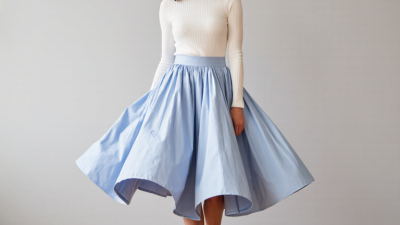
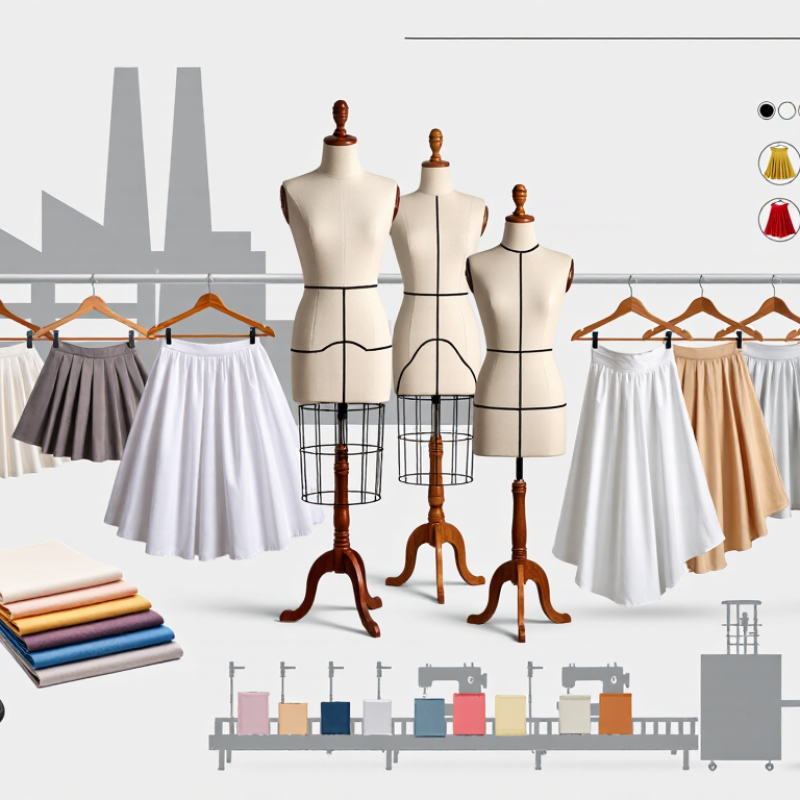
Circle-skirt manufacturing begins with geometry, not sewing. The pattern must balance waist size, desired length, and fabric width. A full circle can create a generous hem, but it also uses more cloth and may stretch unevenly on the bias. In a factory, pattern makers often check a paper or digital pattern before cutting. Operators then match directional prints, mark notches, join panels, and attach the waistband and closure. Small things matter. A hem can dip after hanging, so samples should be checked again before bulk cutting.
China has a deep apparel supply chain, but scale alone does not guarantee specialist skill. The WTO’s World Trade Statistical Review 2023 reports that China exported about US$182 billion in clothing in 2022, roughly 31.7% of world clothing exports. That figure signals manufacturing capacity, not equal performance from every workshop. Textile Exchange’s Materials Market Report 2024 estimates global fiber production reached 124 million tonnes in 2023, with polyester making up about 57%. For circle skirts, fiber content still needs practical testing: a lightweight fabric may drape beautifully but show seams or cling.
There is a catch. Buyers should request a pre-production sample, fabric composition details, and measurements after washing. Check waistband recovery, seam puckering, and hem consistency under natural light. Not every factory handles bias-cut panels equally well. A clear specification helps, though it cannot replace careful sample review.
How to Identify Leading Circle Skirt Manufacturers
Top Circle Skirt Manufacturers in China
How to Identify Leading Circle Skirt Manufacturers
A reliable manufacturer should explain how it handles fabric choice, pattern cutting, and finishing. Ask for a sample made with the same fabric and construction planned for production. Check whether the skirt hangs evenly when placed on a flat table. Uneven hems may point to poor cutting or sewing control. Small details matter. Inspect waistband stitching, seam allowances, closures, and the way the fabric moves when worn. A useful supplier will discuss these points clearly instead of offering vague assurances.
Ask how the factory checks measurements across a production run. Request a size chart, sample approval process, and details about fabric inspection. Compare the approved sample with a later production piece; look for changes in fullness, length, or stitching. No single test settles it. A polished sample does not guarantee consistent bulk production, and a detailed questionnaire cannot replace direct verification. Response times also offer clues: clear answers to specific questions are more valuable than quick promises. I would leave room for judgment, too; even a well-organized supplier may need correction after the first sample. Good communication makes those corrections easier to identify and resolve.
Profiles of Top Circle Skirt Manufacturers in China
Profiles of Top Circle Skirt Manufacturers in China
China’s circle-skirt suppliers vary in equipment, order size, and product focus. A vertically integrated factory may handle fabric sourcing, cutting, sewing, and finishing under one roof. This can simplify communication, though it does not guarantee consistent quality. Ask how the team checks waistband symmetry, hem shape, and seam strength. A sample should hang evenly, without twisting at the side seams.
Some manufacturers focus on sampling and smaller production runs. They may suit buyers testing new prints, lengths, or waist constructions before placing larger orders. Export-oriented factories often have experience preparing size charts, packing specifications, and shipment documents. Check these skills directly rather than relying on a polished online profile. Request a recent sample, a clear production timeline, and written details about fabric composition and tolerances. Small details matter. A slightly uneven hem can become obvious when the skirt moves.
Tips: Compare suppliers using the same specification sheet. Include waist measurements, skirt length, fabric weight, lining requirements, and acceptable measurement variation. Ask who approves the pre-production sample and how defects are recorded. Keep expectations realistic: digital photos cannot reveal drape, opacity, or hand feel. Wear-test a sample, wash it according to care instructions, and note what changes. A careful review may take longer, but it can expose gaps before bulk production.
Comparing Products, Customization, and Production Capabilities
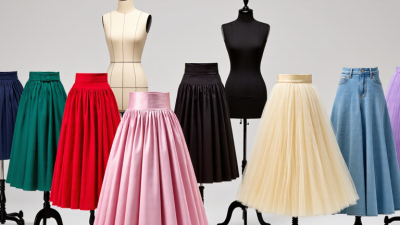
When comparing circle skirt manufacturers in China, examine construction, not just catalog photos. A full circle needs generous fabric width and careful grain alignment. Half-circle designs use less cloth but hang differently. Check waistband stability, seam finish, lining options, and how the hem is leveled after hanging. Small details change the drape.
Customization should cover more than color. Ask whether the factory can adjust skirt length, waist measurements, panel width, pockets, closures, and grading across sizes. Request a sample in the intended fabric; a lightweight viscose and a structured cotton will not behave alike. Textile Exchange’s Materials Market Report 2024 estimates global fiber production reached 124 million tonnes in 2023, up from 116 million tonnes in 2022. Material choice deserves careful review.
Production capacity needs specific figures. Ask for the monthly output of the same skirt type, minimum order quantities by color, sample lead time, and fabric sourcing timelines. Confirm how the factory handles shrinkage tests, seam inspections, and measurement tolerances. A large total factory capacity can be misleading. A sample may still lie. Check a pre-production piece against the approved pattern, then clarify who pays for alterations if the fit changes.
Key Factors for Choosing a Chinese Circle Skirt Manufacturer
Choosing a Chinese circle skirt manufacturer takes more than comparing unit prices. Ask how the factory controls waist measurements, panel cutting, and hem consistency across sizes. A full-circle skirt can twist if its panels are cut off-grain. Request a pre-production sample in the intended fabric, then check its drape after washing and hanging. Small details matter.
Fabric sourcing deserves equal attention. Textile Exchange’s Materials Market Report 2024 estimates global fiber production reached 124 million tonnes in 2023, up from 116 million tonnes in 2022. That expanding supply makes clear fabric specifications important: fiber content, weight, color standard, and acceptable substitution rules should be recorded in writing. Ask whether the quoted price includes lining, labels, and packaging. Otherwise, “low cost” may change later.
Review the supplier’s sample process, production capacity, inspection records, and communication speed. Ask for measurements from a finished production garment, not only a polished sample. Confirm minimum order quantities and lead times against your actual launch schedule. A factory may answer quickly but still miss a fit issue. Check again. No checklist catches everything, so keep approval notes and signed samples before bulk production.