Leave Your Message
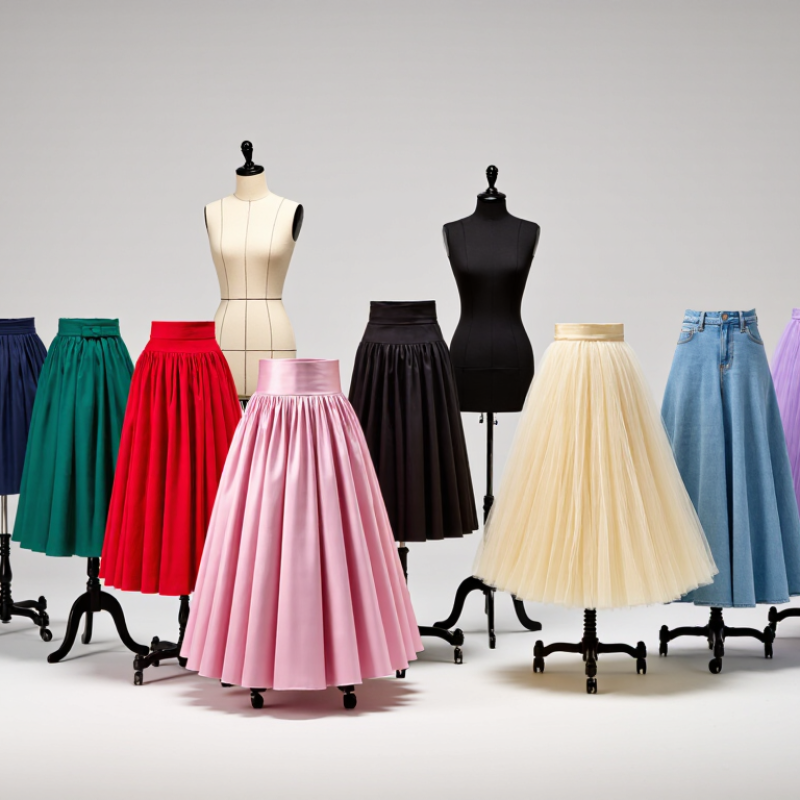
Circle Skirt sourcing can look simple: one curved panel, a clean waistband, and a dependable hem. Yet fabric weight, flare, sizing, and finishing all change how the garment hangs and performs. Crisp cotton moves differently from soft rayon or lightweight polyester. Small details matter. A narrow waistband may twist after repeated wear, while uneven stitching can stand out along a broad hem. For global buyers, supplier choice affects more than unit price. It also shapes sampling speed, production consistency, packaging, and delivery planning.
This guide introduces ten Circle Skirt suppliers for buyers comparing product range, customization, and manufacturing capabilities. It considers practical questions, including available fabrics, size options, minimum order quantities, sample policies, lead times, and quality checks. These details help turn a promising catalog into a realistic sourcing decision. Not every order is alike. A boutique may need a small run with distinctive prints, while a retailer may prioritize repeatable sizing and larger production capacity. Buyers should confirm specifications directly, request samples where possible, and clarify timelines before placing an order. Supplier information can change, and a polished website alone cannot guarantee consistent results. No supplier is perfect. The goal is to identify partners whose strengths match your requirements, then verify the details carefully.
10 Best Circle Skirt Suppliers for Global Buyers
Define Circle Skirt Suppliers by MOQ, Lead Time, Capacity, and Quality Metrics
A useful supplier comparison starts with measurable details, not polished catalog photos. Record the minimum order quantity, sample cost, production lead time, and monthly capacity. For circle skirts, also ask how fabric width affects cutting yield. A full-circle design can consume considerably more fabric than a half-circle style. Confirm the waist measurement, skirt length, and hem allowance on the approved sample. Small discrepancies can change the drape.
Tips: Request a size-set sample and a written measurement chart. Check the waist seam, zipper, and hem after washing. Ask suppliers to state whether lead times include fabric sourcing and inspection. Keep the answers in one comparison sheet.
Capacity claims need context. A factory’s monthly output may include several product types, not just skirts. Ask how many lines can handle your order and whether peak-season schedules change delivery dates. For quality, agree on specific checks, such as seam consistency, measurement tolerance, shade matching, and loose threads. Set acceptance criteria before production begins. No single score tells the whole story. I would still verify the first bulk shipment carefully; even a detailed checklist can miss a fit issue that appears across different sizes.
The entries below are anonymized supplier archetypes with indicative planning ranges, not verified company profiles or supplier quotations. Confirm current capabilities, prices, certifications, and inspection results directly with each prospective supplier.
| Supplier Archetype | Typical Product Strength | Indicative MOQ | Sample Lead Time | Bulk Production Lead Time | Indicative Monthly Capacity | Quality Metrics to Specify | Best Fit for |
|---|---|---|---|---|---|---|---|
| Small-batch cut-and-sew workshop | Simple woven and lightweight cotton circle skirts | 50–100 pieces per style | 7–14 days | 25–40 days | 1,000–3,000 pieces | Use buyer-approved measurements; set an AQL 2.5 major-defect inspection level; check seam consistency and hem finish. | New labels, test launches, and limited collections |
| Mid-sized woven-garment factory | Poplin, twill, rayon, and polyester circle skirts | 150–300 pieces per style | 10–18 days | 30–50 days | 5,000–12,000 pieces | Request a pre-production sample, size-set approval, fabric shade control, and final inspection against agreed specifications. | Growing brands with repeat seasonal orders |
| Large-volume apparel manufacturer | Core styles with repeatable patterns and standard fabrics | 500–1,000 pieces per style | 12–21 days | 35–60 days | 20,000–50,000 pieces | Agree on measurement tolerances, inline inspection checkpoints, defect classification, and shipment-level inspection sampling. | Retail programs and high-volume replenishment |
| Print-focused skirt producer | All-over prints, panels, and patterned woven designs | 200–500 pieces per print and style | 12–20 days | 35–55 days | 4,000–10,000 pieces | Approve strike-offs or print samples; define print placement, color tolerance, repeat alignment, and wash-test requirements. | Fashion collections with distinctive prints |
| Stretch-knit garment specialist | Jersey, ponte, and stretch circle skirts | 150–300 pieces per style | 10–18 days | 30–50 days | 5,000–15,000 pieces | Check fabric recovery, shrinkage, seam stretch, waistband stability, and measurements after laundering. | Comfort-focused casual and active-inspired ranges |
| Premium occasionwear workshop | Full skirts, lining, layered construction, and refined finishing | 50–150 pieces per style | 14–25 days | 40–65 days | 800–3,000 pieces | Review workmanship samples; inspect lining, zipper operation, hem evenness, embellishment security, and fabric handling. | Occasionwear, boutique, and higher-detail collections |
| Uniform and private-label producer | Durable, standardized skirts with repeat-order support | 300–700 pieces per style | 10–18 days | 30–50 days | 8,000–25,000 pieces | Define colorfastness, seam-strength expectations, repeat-order shade matching, and documented final inspection criteria. | Uniform programs and consistent core assortments |
| Sustainable-materials specialist | Styles made with buyer-selected organic, recycled, or certified fabrics | 200–500 pieces per style | 14–25 days | 40–65 days | 3,000–10,000 pieces | Verify material claims and transaction documentation; set shrinkage, colorfastness, and construction checks for the selected fabric. | Brands with documented material and sourcing requirements |
| Made-to-order production partner | Small runs, varied sizes, and flexible design adjustments | 30–100 pieces per style | 7–16 days | 20–40 days | 500–2,500 pieces | Approve a reference sample; document grading, measurement tolerances, and piece-by-piece workmanship checks. | Independent labels and demand-tested collections |
| Export-oriented full-package manufacturer | Coordinated sourcing, sampling, production, and export preparation | 300–800 pieces per style | 14–24 days | 35–60 days | 10,000–30,000 pieces | Agree on approved materials, testing scope, inspection stage, packing specifications, and required export documents before production. | International buyers seeking coordinated order management |
| Buyer note: MOQ, lead time, capacity, and quality outcomes vary by fabric availability, design complexity, order size, season, and factory workload. Treat these ranges as initial planning references, and confirm all specifications and performance claims in writing before placing an order. | |||||||