Choosing a Chinese manufacturer for a Beach Skirt collection involves more than comparing unit prices. Buyers need to assess fabric, fit, workmanship, communication, and production capacity. A skirt that looks airy in a product photo may feel heavy in humid weather. A bright print may also lose impact if its colors vary between sample and bulk production.
A composite apparel-sourcing expert, Lin Wei, captures the buying principle: “A good Beach Skirt must feel right, fit consistently, and arrive as approved.” Details matter. In practice, that means checking fabric weight, lining, waistband construction, seam finish, and print placement. Ask for proof. Request a physical sample, clear measurement charts, and confirmation of how the supplier handles revisions. These checks cannot guarantee a perfect order, but they make comparisons more grounded than a polished catalog alone.
This guide introduces ten Beach Skirt manufacturers in China for global buyers, with attention to product range, customization, quality controls, and export experience. Each supplier may suit a different brief: one might offer flexible small-batch development, while another may be better equipped for larger seasonal orders. Buyers should verify current capabilities directly, since factory details and lead times can change. Be candid about your target customer, expected order volume, and delivery window. Even then, samples may not reveal every production issue. That is worth remembering. A careful shortlist is a starting point, not a substitute for clear specifications, written approvals, and ongoing communication.
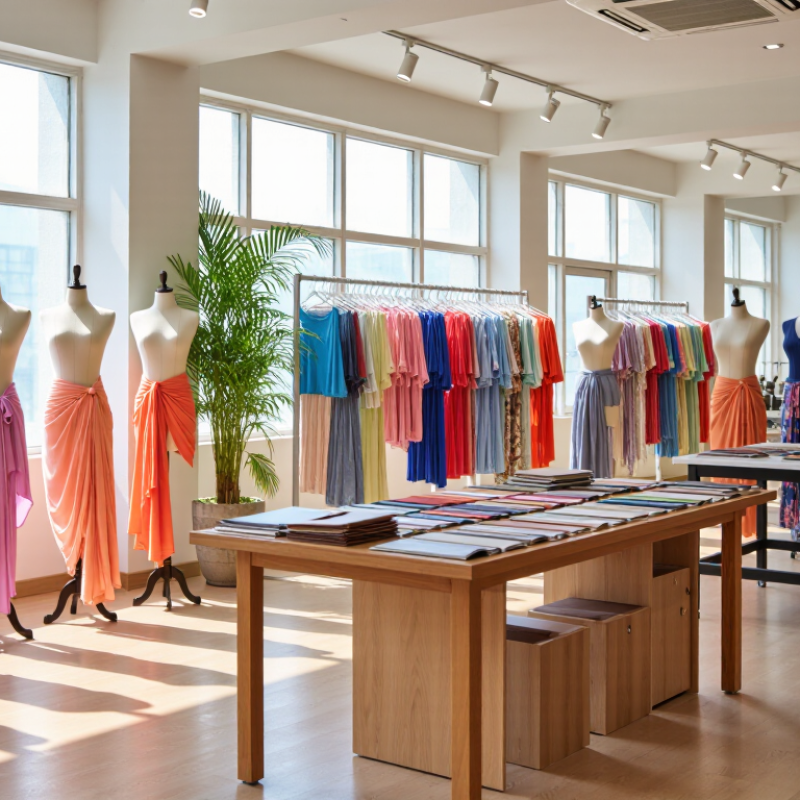
China’s beach-skirt manufacturing landscape includes specialist sewing workshops and larger garment factories. Many suppliers work with lightweight woven fabrics, quick-drying blends, and cotton voile. Common options include wrap skirts, elastic-waist styles, and matching cover-ups. Production capacity, fabric sourcing, and finishing quality can vary widely between suppliers. Some factories handle sampling and bulk production in-house; others rely on outside partners. Ask who performs each step.
Tips: Request a sample in your intended fabric, not a substitute. Check seam strength, waistband comfort, color consistency, and coverage in bright sunlight. Share a measurement chart and confirm tolerances before approving production. Small details matter.
A practical supplier review should examine more than the sample’s appearance. Ask about minimum order quantities, lead times, fabric availability, and inspection procedures. Compare quoted specifications, not just prices. A low quote may exclude trims, packaging, or additional quality checks. Review a pre-production sample and agree on how defects will be recorded. Keep communication clear, especially when discussing print placement or size grading. This process takes time. It can still miss things. A realistic timeline should leave room for revisions, since beachwear fabrics may drape differently after washing or handling.
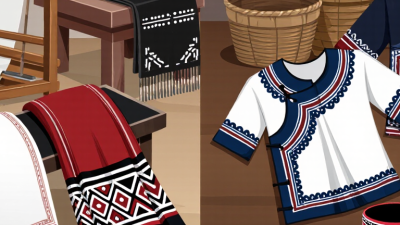
A beach skirt can look effortless, but reliable production depends on details that are easy to miss in a catalog. Ask manufacturers for fabric composition, finished garment measurements, and clear photos of seam construction. Check a physical sample in daylight. Does the print stay aligned at the side seam? Does the waistband twist after stretching? Small flaws matter when thousands of pieces are packed for a seasonal launch.
Evaluate the sample process, not just the quoted price. Request a size set and compare waist, hip, and length measurements against your specification. Wash a sample, then check shrinkage, color transfer, and elastic recovery. Ask how the factory records inspections during cutting and sewing, and whether it can share recent production examples. A confident answer helps. Verifiable evidence is better. One limitation: a strong sample does not guarantee consistent bulk production.
Discuss order quantities, production timing, packaging, and destination-market labeling before placing an order. Confirm who approves fabric substitutions and how changes are documented. Clear communication matters when time zones and language differences complicate small decisions. Keep specifications in writing, including acceptable measurement tolerances. Price deserves attention, but treating it as the main test can be costly. Even a careful checklist cannot remove every risk; it can reveal where a supplier’s process needs closer review.
Minimum ultraviolet protection factor (UPF) for each Australian/New Zealand Standard fabric rating.
Use fabric UPF ratings as one checkpoint when assessing beachwear suppliers. The chart shows the lower threshold for each rating band: Good (15–24), Very Good (25–39), and Excellent (40+).
Source: AS/NZS 4399, sun-protective clothing classification. UPF is one fabric attribute and does not assess overall garment quality.
China’s beach-skirt suppliers vary by fabric access, order size, and finishing capacity. These ten capability-based profiles are not audited company endorsements. Verify each supplier’s facilities and samples before ordering.
Request a fabric swatch, size chart, and pre-production sample. Check waistband recovery, hem stitching, and opacity in bright light. Ask for recent production references where available. A polished sample is useful, but it does not guarantee consistent bulk quality. Small test orders can reveal gaps; they may also cost more per piece.
For global buyers comparing ten beach skirt manufacturers in China, product range is more than a catalogue count. Check whether each supplier offers wrap skirts, sarongs, maxi styles, and adjustable-waist designs. Fabric choices matter too: lightweight woven cotton feels different from quick-drying polyester, especially after saltwater exposure. Ask for fabric weight, colorfastness details, and size measurements. Details matter.
Customization can cover print placement, hem shape, waist ties, lining, and private labels. But “custom” may mean different things between factories. Send a clear tech pack, including artwork scale, stitch references, and measurement tolerances, then request a physical sample. Compare the sample with the approved specification, not just a product photo. Also confirm minimum order quantities and whether several colors can share one production run. Some buyers overlook this until costs change.
Production capacity should be judged alongside consistency and communication. Ask about monthly output for similar garments, sample timing, peak-season scheduling, and inspection steps. A large stated capacity is not proof that your order will ship on time. Request a realistic production schedule and clarify how defects are recorded and corrected. No comparison is perfect; factory figures can be difficult to verify, and a smaller workshop may still suit a focused order better.
Important: The rows below are anonymized sourcing profiles, not named or independently verified factories or a ranked supplier list. Factory-specific product offerings and production capacities are not assumed; confirm them directly with each supplier and request supporting documentation.
| Profile | Beach Skirt Product Focus | Customization to Discuss | Production Capacity | Useful Buyer Checks |
|---|---|---|---|---|
| 1. Woven resortwear profile | Wrap skirts, beach cover-ups, and lightweight woven styles | Fabric, print, length, waistband, ties, labels, and packaging | Factory-specific; request monthly capacity for the proposed style and fabric | Ask for fabric composition, shrinkage results, and a pre-production sample |
| 2. Printed apparel profile | Printed sarongs, pareos, and coordinating beach skirts | Artwork, color placement, print method, fabric base, and size grading | Not publicly comparable; confirm capacity and print lead time for the order | Check strike-offs, color consistency, and colorfastness requirements |
| 3. Cut-and-sew swimwear profile | Skirted swimwear, swim cover-ups, and quick-dry beach separates | Stretch fabric, lining, coverage, trims, and coordinated swim sets | Style- and line-dependent; obtain a written capacity estimate for the required construction | Verify stretch recovery, seam construction, and performance test requirements |
| 4. Crochet and knitwear profile | Crochet-look skirts, openwork cover-ups, and knitted beach layers | Yarn, stitch pattern, lining, fringe, color, and measurements | Depends on knitting method and hand-finishing; request a style-specific schedule and output estimate | Assess sample consistency, snag resistance, and dimensional stability |
| 5. Sustainable-materials profile | Beach skirts using buyer-specified recycled or preferred fibers | Material selection, certification scope, trims, dyeing, and packaging | Subject to material availability and order details; verify with the factory and its material suppliers | Request transaction-level evidence and verify any claimed certification independently |
| 6. Small-batch development profile | Design-led skirts, sample development, and limited seasonal collections | Patterns, fit adjustments, custom prints, trims, and prototype revisions | Minimums and available capacity vary; confirm sample and bulk quantities before development | Agree on sample charges, revision limits, minimum order quantities, and approval stages |
| 7. High-volume basics profile | Repeatable wrap skirts and straightforward beachwear styles | Colorways, size range, waistband options, labels, and pack-out | No reliable figure without factory confirmation; request output by style, color, and delivery window | Check production-line availability, quality controls, and delivery milestones |
| 8. Plus-size and extended-fit profile | Extended-size beach skirts and adjustable wrap silhouettes | Fit blocks, grading, coverage, tie placement, and size-specific measurements | Depends on the size range and order mix; request capacity by size assortment | Review fit samples across the range rather than approving only one sample size |
| 9. Private-label production profile | Buyer-designed beach skirts made to an approved specification | Private labels, hangtags, care labels, packaging, and specification sheets | Order-specific; confirm minimums, line allocation, and shipment schedule in writing | Clarify ownership of artwork and patterns, inspection terms, and defect handling |
| 10. Multi-process apparel profile | Beach skirts combined with tops, dresses, or broader resortwear ranges | Coordinated fabrics, prints, trims, color standards, and multi-style packing | Capacity depends on the factory’s own lines and subcontracting; request a process map and capacity plan | Identify which processes are performed in-house and audit any subcontractors |
When comparing beach skirt manufacturers in China, look beyond product photos. Check stitching around waistbands, side seams, and drawstring openings. Loose threads may seem minor, but they can signal rushed finishing. Ask for fabric weight, fiber composition, and size measurements for each sample. Then compare the delivered sample with the approved specification. Small details matter.
Colorfastness deserves a practical check. A damp white cloth rubbed across a dyed skirt can reveal early color transfer, though it is not a substitute for laboratory testing. Request test reports that match the actual fabric, color, and production lot. Confirm that labeling and restricted-substance checks address the rules of your destination market. A certificate alone may not cover every style or material. Ask for its scope and validity dates.
Export readiness is equally important. Confirm sample approval steps, production capacity, lead times, and how delays are reported. Request a sample commercial invoice and packing list, and check that carton labels match your receiving requirements. Not every supplier is ready. One uncomfortable but useful question is what happens when inspection finds defects; a clear rework or replacement process is more reassuring than a quick promise.