Chin Traditional Dress is more than a colorful garment from western Myanmar. It reflects community identity, family history, and skilled textile work. Chin communities live across Chin State and nearby regions, so clothing styles can differ between groups. Patterns, colors, headdresses, and weaving methods are not completely uniform.
This guide explores what Chin Traditional Dress looks like and where it is made. Many pieces use handwoven cotton, detailed embroidery, woven bands, and carefully arranged geometric motifs. Black, red, white, and deep blue often create strong visual contrast. A traditional outfit may include a wraparound skirt, blouse, shawl, belt, or decorative accessories. Some garments are produced at home, while others come from village workshops, local markets, or specialist textile makers.
The details matter. A narrow woven strip can take hours to complete. An embroidered symbol may carry meaning understood within one Chin community, but not another. That difference deserves respect. A simple online label can hide important regional distinctions. It may also confuse ceremonial clothing with everyday wear or modern festival costumes.
This overview uses a careful, practical approach. It considers documented cultural descriptions, visible construction methods, and the makers behind each garment. However, traditions change. Modern fabrics, tourism, migration, and personal preference influence how Chin clothing is made and worn today. There is no single perfect definition. Understanding that limitation makes the subject more accurate, not less.
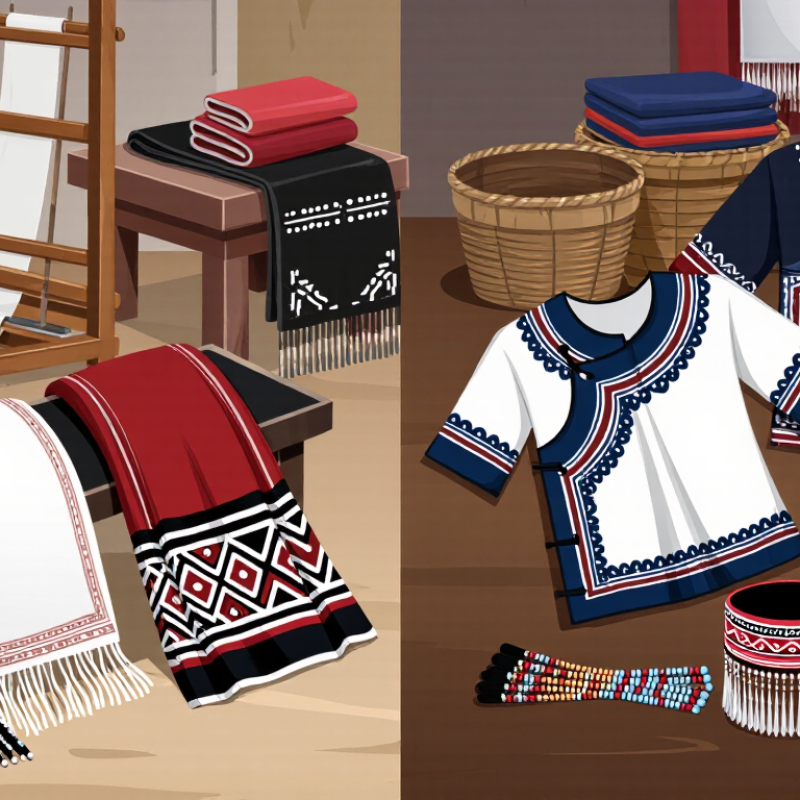
Chin traditional dress comes from diverse Chin communities in western Myanmar. It is not one fixed costume. Lai, Zomi, Matu, and other groups use different colors, borders, weaving methods, and ornaments. Many garments are made in village homes on backstrap looms. Cotton thread, narrow stripes, and repeated geometric patterns create strong visual rhythm. A finished wrap skirt can feel slightly uneven. That irregularity often shows handwork, not poor quality.
Clothing carries social memory. A woven band may identify a community, while color combinations can suggest age, family history, or ceremonial use. Shawls and bead necklaces often appear during weddings, festivals, and religious gatherings. Older designs also reflect local ecology, migration, and contact with neighboring cultures. Some historical practices are now rarely continued. This matters.
The Department of Population’s Myanmar Population and Housing Census 2014 recorded 478,801 residents in Chin State. Its Census Atlas also reported extremely low population density, about 13 people per square kilometer. These figures help explain why production has remained dispersed across mountain villages rather than concentrated in one factory district. The report counts residents, not every Chin person worldwide. That limitation deserves attention.
UNESCO’s 2003 Convention on Intangible Cultural Heritage treats weaving knowledge as living heritage when communities continue practicing and transmitting it. In Chin communities, learning often happens beside an experienced relative, through repeated movements and correction. The data is useful, but incomplete. A spreadsheet cannot record the sound of a loom, the weight of dyed thread, or why one pattern still matters to its maker.
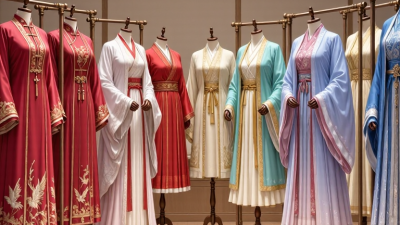
Chin traditional dress is not one fixed outfit. It changes among Chin communities, villages, and generations. The most recognizable garments include a handwoven wrap skirt, a fitted blouse, and a shoulder cloth. In some areas, women wear a dark skirt with narrow red, green, yellow, or white bands. The bands may show local taste, family tradition, or the weaver’s skill.
Men’s clothing can include a woven jacket, loose trousers, and a shoulder shawl. Some ceremonial outfits add turbans, patterned sashes, or carefully arranged silver ornaments. Women may wear necklaces, bracelets, earrings, and decorative hair pieces. These details are not merely decorative. They can mark age, marriage, community identity, or a special event. However, meanings differ between Chin groups, so one explanation cannot represent everyone accurately.
Distinctive design features often appear through repeated stripes, small geometric shapes, and strong color contrasts. Weavers create these patterns on narrow looms, using cotton or other locally available fibers. The finished cloth may feel firm, textured, and slightly uneven, which reveals its handmade character. Machine-made copies can look cleaner, but they may lose subtle variations in thread tension. It is also easy to describe Chin dress too neatly. Real garments change with climate, income, migration, and personal preference. A careful viewer should ask where a piece was woven, who made it, and when it is worn.
Key Chin garments and commonly documented design features
Chin traditional dress is made by Chin communities mainly in western Myanmar, especially Chin State, with related styles found across neighboring areas. This chart uses a simple presence scale: 1 means a feature is commonly documented for the garment, while 0 means it is not a defining feature. Styles vary among Chin subgroups and villages.
What Is Chin Traditional Dress and Where Is It Made?
Chin traditional dress is a living textile tradition from western Myanmar. Most garments are made in Chin State, especially around Hakha, Falam, Tedim, and Mindat. Families often weave them at home, while small community workshops produce pieces for ceremonies and cultural markets. Cotton remains common, although rayon and acrylic yarns appear in newer garments. A 2023 International Trade Centre report places Myanmar’s wider textile and apparel exports near US$4 billion. That figure reflects factory production, not Chin handweaving. The distinction matters.
Materials shape the clothing’s weight and movement. Women may wear a woven wrap skirt, fitted blouse, and shoulder cloth. Men’s garments vary by community and occasion. Black backgrounds create a strong base for red, white, green, or yellow stripes. Diamond shapes, zigzags, and narrow bands may suggest landscape, ancestry, protection, or community identity. Meanings are not perfectly fixed. They can change between villages and generations.
The patterns are often read too simply. Some references connect color combinations with clan history, marriage, or social standing, but local makers should confirm those interpretations. UNESCO’s 2022 cultural heritage reporting emphasizes that traditional craftsmanship depends on transmission between generations. In Chin communities, that transmission includes spinning, dyeing, pattern planning, and loom work. Handwoven cloth may take several days or weeks. Some modern pieces use brighter synthetic colors and faster looms. They are not automatically less authentic. Yet, something is lost when a pattern becomes only decoration. The map is not perfectly tidy.
| Dimension | Documented Information | Typical Features and Examples | Cultural Context |
|---|---|---|---|
| People and Region | Chin traditional dress refers to the clothing traditions of Chin communities, primarily associated with Chin State in northwestern Myanmar. | Styles differ among Chin subgroups and communities, including groups such as the Hakha, Falam, Tedim, and others. | There is no single uniform “Chin costume”; colors, weaving methods, and designs may vary by locality, family, and subgroup. |
| Where It Is Made | Many traditional textiles are made in Chin communities, especially in villages and households where handweaving skills are maintained. | Fabric may be woven on a backstrap loom or other traditional looms, then cut, sewn, embroidered, or decorated by hand. | Textile production is closely connected with domestic craft knowledge and the transmission of skills between generations. |
| Main Fiber | Cotton is the principal traditional fiber used for many Chin garments and woven textiles. | Handwoven cotton cloth is used for skirts, shawls, wraps, tunics, and other ceremonial or everyday pieces. | The choice of fiber depends on local availability, the garment’s purpose, and the particular Chin community. |
| Weaving Technique | Traditional weaving is commonly carried out by hand, with narrow fabric sections sometimes joined to create wider garments. | Strip-weaving, supplementary patterns, and carefully repeated geometric arrangements are characteristic features of many Chin textiles. | Weaving requires knowledge of tension, pattern counting, color arrangement, and finishing techniques. |
| Common Colors | Red, black, white, and other strong contrasting colors are frequently seen in Chin woven clothing. | Red may appear as a dominant ground or accent color, while black, white, yellow, green, or blue can be used in stripes and motifs, depending on the style. | Color combinations are not identical across all Chin groups, so a color should not be assigned one universal meaning. |
| Geometric Patterns | Geometric designs are a major visual element in many Chin textiles. | Common forms include stripes, bands, diamonds, zigzags, stepped shapes, and repeated linear motifs. | Patterns can help express local identity and distinguish one community’s textile tradition from another’s. |
| Embroidery and Surface Decoration | Some garments include hand embroidery, appliqué, beadwork, or decorative borders in addition to woven designs. | Decorative details may be concentrated around hems, shoulders, chest areas, waistbands, or shawl edges. | The amount and type of decoration may indicate whether a garment is intended for daily wear, celebration, or formal presentation. |
| Women’s Garments | Women’s traditional clothing commonly includes a woven skirt or wraparound lower garment, together with a blouse, top, shawl, or sash. | Textiles may be worn with patterned bands, silver ornaments, necklaces, earrings, or other locally favored accessories. | Specific garment shapes and accessories vary considerably among Chin communities and should be identified by locality where possible. |
| Men’s Garments | Men’s traditional dress may include woven shirts, jackets, loincloth-style garments, trousers, blankets, or shoulder cloths, depending on the community and occasion. | Dark ground colors with contrasting woven bands and patterned borders are found in a number of Chin clothing traditions. | Men’s dress, like women’s dress, can communicate community affiliation and may be adapted for festivals, ceremonies, or contemporary public events. |
| Symbolic Details | Textile motifs and colors may carry associations with community identity, ancestry, social memory, or ceremonial life. | Repeated geometric patterns can function as visual markers of locality or group tradition rather than having one fixed meaning everywhere. | Interpretations are culturally specific and may differ between Chin groups; symbolic claims should therefore be treated as local rather than universal. |
| Occasions for Wearing | Traditional dress is worn for cultural festivals, weddings, religious or community events, performances, and other formal occasions. | Some people also wear selected traditional pieces in everyday life, while others combine woven items with modern clothing. | Contemporary use demonstrates that Chin dress is both a living cultural practice and a form of heritage expression. |
| Contemporary Production | Handwoven garments continue to be produced in Chin communities, although availability can be affected by migration, changing lifestyles, and access to materials. | Modern makers may preserve traditional layouts while adjusting garment shapes, thread colors, or finishing methods for current use. | Traditional clothing can therefore maintain recognizable motifs while evolving in response to new social and economic conditions. |
Note: Chin clothing traditions are highly diverse. The details, color combinations, garment names, and interpretations of motifs may differ among Chin communities and should be understood in their specific local context.
Chin traditional dress is not one fixed costume. It changes across Chin communities in Myanmar, India, and Bangladesh. In Hakha and Falam areas, handwoven puan cloth often uses strong red, black, white, or green bands. Tedim designs may feature sharper geometric forms, while southern communities can show different stripe widths, beadwork, and wrap styles. These details may signal locality, family history, age, or ceremonial use. A neat regional map can mislead.
Much of the cloth is made at home or in small village workshops. Weavers use backstrap looms, cotton, wool, or commercially dyed yarn, depending on local access. Some garments are sewn by household tailors, then worn during weddings, festivals, church events, and community gatherings. In urban areas, production also moves through cooperative workshops and diaspora networks. The place of wearing is not always the place of making.
The wider cultural economy gives useful context. UNESCO reports that cultural and creative industries generate about 3.1% of global GDP and 6.2% of employment worldwide (UNESCO, 2022). UNCTAD recorded creative-goods exports of approximately 524 billion US dollars in 2020 (Creative Economy Outlook, 2022). These figures do not measure Chin textiles directly. They show why documentation and fair craft income matter. Still, not every modern garment preserves older meanings. Some patterns are simplified for speed, and that deserves honest reflection.
Chin traditional dress is not one fixed costume. It reflects the many Chin communities, each with distinct patterns, colors, and weaving habits. A typical outfit may include a handwoven wrap, a decorated blouse, a shoulder cloth, or a headpiece. Red, black, white, and deep green often appear in geometric designs. The details can show family history, local identity, or ceremonial purpose.
Today, much Chin traditional dress is made in Chin State, Myanmar, especially in village homes and small community workshops. Skilled weavers often work on wooden looms beside their houses. They measure cotton threads carefully, then build narrow bands of color row by row. Some garments are sewn by local tailors after the fabric reaches nearby towns. Production also continues in Chin communities in Mizoram, Manipur, and other places where families have resettled.
The process is changing. Younger makers may use factory-spun thread, synthetic dyes, or sewing machines to reduce time and cost. Older artisans still prefer slower handwork, particularly for festival clothing and wedding garments. Styles can differ greatly between villages, so one pattern should not represent every Chin group. That assumption is incomplete. Online sellers and urban workshops now make some pieces far from their original villages, which makes the label “Chin-made” harder to define. A reliable purchase should identify the maker’s community, weaving method, and place of production.