Leave Your Message
Choosing reliable suppliers is essential when sourcing Chin Traditional Dress for retail, ceremonies, photography, or cultural events. The right partner should offer accurate designs, stable sizing, careful stitching, and clear material information. Silk may feel cool and smooth, while cotton can provide softer daily comfort. Small details matter. Sleeve width, collar shape, fastening methods, and embroidery density can change the entire appearance.
Chinese costume historian Professor Hua Mei once observed, “Clothing is a visible record of culture.” This perspective is useful when comparing suppliers. A professional factory should explain the garment’s historical inspiration, modern adaptations, and production limits. It should also provide fabric samples, size charts, detailed photographs, and realistic delivery schedules. Verified production experience matters more than impressive website language. Customer reviews can help, but they should be checked across several independent platforms.
This guide examines China’s best Chinese traditional dress suppliers through practical standards. These include craftsmanship, cultural accuracy, customization, communication, quality control, and after-sales support. Suppliers serving international buyers should explain packaging, labeling, and import documentation clearly. They should never hide fiber content or substitute materials without approval. That happens sometimes.
A strong supplier may still have weaknesses. One workshop could produce beautiful embroidery but offer limited sizes. Another may provide fast delivery but weaker historical accuracy. Buyers should request samples before placing large orders. They should also ask who makes the garments and where final inspections occur. No supplier is perfect. Careful comparison remains necessary. The best choice balances appearance, authenticity, cost, consistency, and dependable communication.
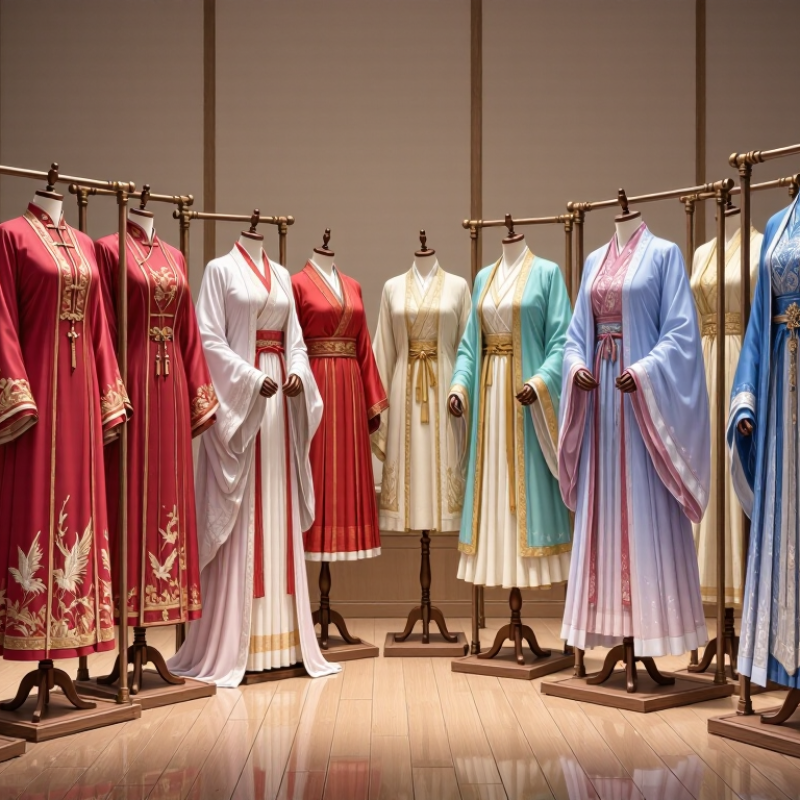
What Defines Chinese Traditional Dress and Its Main Styles
Chinese traditional dress is not one fixed costume. It reflects regional climate, social history, textile skills, and movement. Hanfu usually features a cross-collar, wrapped front, and flowing sleeves. Qipao is more fitted, with a high collar and side openings. Tang-style clothing often uses a raised waist and broader sleeves, inspired by historical cosmopolitan dress. Ethnic minority clothing adds distinctive embroidery, silver ornaments, weaving, and layered colors.
Details matter. A well-made garment should show balanced seams, secure closures, breathable fabric, and historically sensible proportions. Silk, ramie, cotton, and wool create different textures and seasonal uses. The China National Silk Museum’s costume research collections show how silk structures and weaving methods changed across dynasties. These details help suppliers explain construction, not merely sell an attractive silhouette.
Tradition is broader than appearance.
The Ministry of Culture and Tourism’s national inventory records 1,557 representative intangible cultural heritage items, highlighting the diversity behind Chinese cultural dress. This figure does not mean every costume is equally ancient or ceremonial. Some modern styles borrow historical elements. That distinction needs honesty. In practical sourcing, buyers should request fiber details, size measurements, stitching photos, and cultural references. A decorative knot alone does not make a garment traditional. The definition remains imperfect, and careful research should come before confident claims.
| Dress Style | Cultural Origin | Historical Development | Defining Features | Common Materials | Typical Uses | Key Selection Considerations |
|---|---|---|---|---|---|---|
| Hanfu | Han Chinese cultural tradition | A broad family of clothing forms developed over many historical periods, including the Qin, Han, Tang, Song, and Ming eras. | Crossed collars, right-over-left front closure, wide sleeves, layered garments, and flowing silhouettes. | Silk, cotton, linen, ramie, brocade, and modern blended fabrics. | Cultural events, festivals, historical reenactments, photography, performances, and formal celebrations. | Check the historical style, layer compatibility, sleeve length, fabric drape, and whether the garment is suitable for movement. |
| Qipao (Cheongsam) | Shanghai and broader Chinese urban fashion culture | The modern form developed in the 20th century from earlier Manchu-influenced robe traditions and became associated with Shanghai fashion. | High standing collar, diagonal front closure, fitted or semi-fitted shape, side slits, and a one-piece construction. | Silk, satin, brocade, cotton, linen, velvet, and polyester blends. | Weddings, formal dinners, cultural ceremonies, evening events, and modern fashion occasions. | Prioritize bust, waist, hip, shoulder, collar comfort, slit height, lining quality, and ease of movement. |
| Changshan | Traditional Chinese male formalwear, with historical links to northern and Manchu-influenced robe forms | A long robe style that became widely associated with formal Chinese menswear during the late Qing period and the 20th century. | Long straight-cut body, standing collar, side or front fastening, and a relatively restrained silhouette. | Silk, satin, brocade, wool, cotton, linen, and blended suiting fabrics. | Formal ceremonies, weddings, stage performances, cultural festivals, and heritage events. | Review garment length, shoulder width, collar fit, sleeve allowance, lining, and closure durability. |
| Tangzhuang | Modern Chinese formalwear influenced by traditional jacket forms | The contemporary style was popularized in the late 20th century and is not a direct reproduction of one single Tang dynasty garment. | Stand collar, front frog closures, short jacket length, structured shape, and decorative woven or embroidered details. | Silk, brocade, cotton, linen, wool, polyester, and mixed textiles. | Chinese New Year, business receptions, family celebrations, ceremonies, and cultural events. | Assess collar construction, button security, fabric weight, shoulder fit, lining, and colorfastness. |
| Ethnic Minority Dress | The diverse ethnic communities of China, including Miao, Tibetan, Mongolian, Uyghur, Zhuang, Dai, and many others | Styles developed within distinct regional communities and reflect local history, climate, beliefs, craftsmanship, and social customs. | Highly varied silhouettes, regional headwear, embroidery, silver ornaments, woven patterns, pleats, robes, vests, or wrapped garments. | Wool, cotton, silk, hemp, leather, felt, handwoven textiles, embroidery thread, and metal ornaments. | Regional festivals, traditional ceremonies, museum programs, cultural performances, and heritage education. | Confirm regional authenticity, appropriate motifs, correct accessories, craftsmanship, and respectful cultural representation. |
| Traditional Children’s Dress | Adaptations of Hanfu, Qipao, Tangzhuang, and regional traditional clothing | Modern children’s versions combine traditional visual elements with contemporary safety and comfort requirements. | Simplified closures, shorter hems, decorative collars, cultural motifs, and looser construction for active wear. | Cotton, linen, soft rayon, silk blends, and lightweight washable fabrics. | School events, festivals, family photography, performances, and holiday celebrations. | Choose breathable fabrics, secure fasteners, non-irritating seams, washable materials, and age-appropriate lengths. |