request to quote
Leave Your Message

What Are Cargo Pants and What Types Are Available?

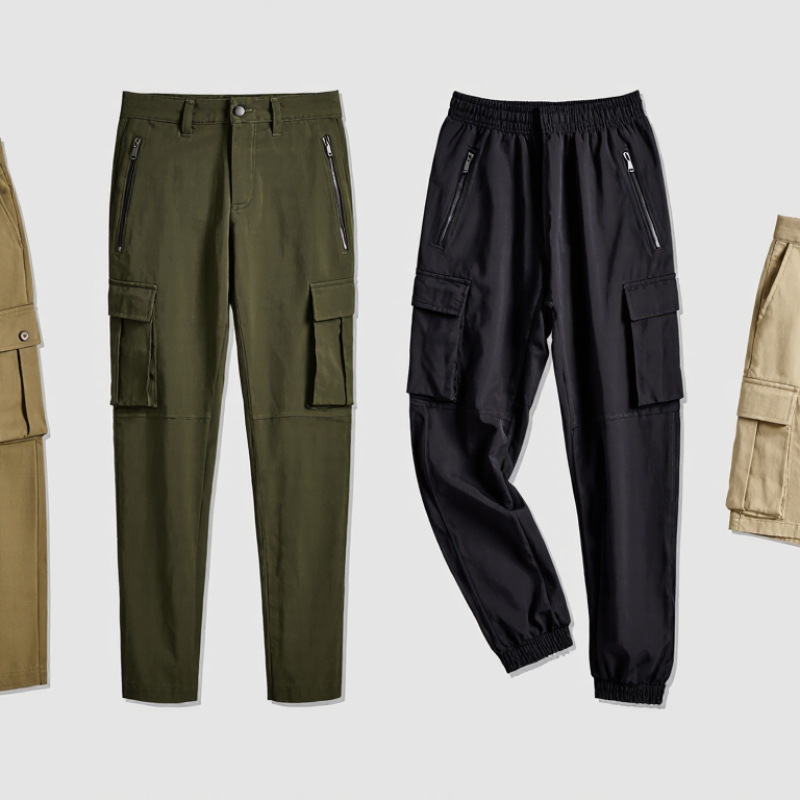
Cargo Pants are trousers recognized by roomy side pockets, usually placed on the thighs. They began as practical workwear, where extra storage helped keep useful items close. Today, they appear in casual outfits, outdoor clothing, and modern streetwear. The details vary. Pocket size, fabric, cut, and fastening can change how a pair looks and feels.

Not every style suits every task. Classic cargo pants often have a relaxed fit and flap pockets, while slim-fit versions sit closer to the leg. Jogger cargos add elastic cuffs, and cargo shorts offer a cooler option for warm weather. Some designs use lightweight cotton or ripstop fabric; others feel heavier and more structured. More pockets are not always better. Bulky pockets can add weight and affect how trousers sit when filled.

This guide explains what defines Cargo Pants and the main types available. It also considers fit, fabrics, pocket layouts, and everyday styling. For example, a pair with soft cotton and low-profile pockets may work well for daily wear, while a tougher weave can suit more demanding outdoor use. These are broad distinctions, not guarantees: comfort depends on the cut, fabric, and wearer. A label alone cannot tell the whole story. Checking measurements and construction can help, though even careful choices sometimes miss the mark.
What Are Cargo Pants and What Types Are Available?

What Are Cargo Pants?

What Are Cargo Pants?

Cargo pants are trousers designed with roomy pockets sewn onto the legs, usually with flaps or fasteners. Those pockets distinguish them from ordinary side pockets. They can hold small items such as a folded map, keys, or work gloves, though a full pocket can swing against the thigh.

That detail matters. The extra storage is useful, but it can affect comfort and fit.

The style developed from practical utility clothing and now appears in casual, outdoor, and workwear designs. Common versions include relaxed-fit cargo pants, slimmer everyday cuts, and heavier work styles with reinforced seams. Some use cotton twill; others blend fibers for easier care or added stretch.

Grand View Research estimated the global workwear market at USD 17.4 billion in 2023, with projected growth through 2030. That figure covers workwear broadly, not cargo pants alone, so it offers context rather than proof of demand for this specific style.

A good pair should let you bend and sit without pocket contents digging in. Not always easy. Pocket count is less important than placement, secure closures, and fabric suited to the task.
How Did Cargo Pants Develop?

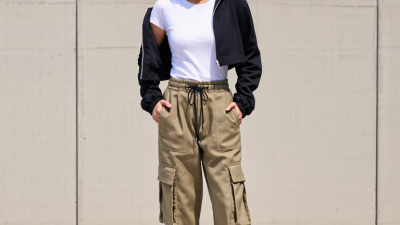
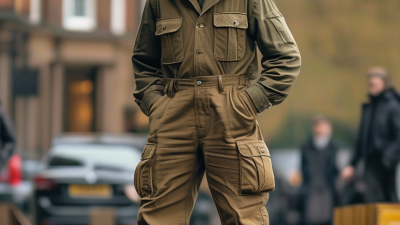
Cargo pants developed from practical workwear and military clothing, where large pockets kept tools and small essentials close. Early designs favored durable cotton, roomy legs, and reinforced seams. Side pockets served a clear purpose. Their flaps helped keep contents secure during movement. Timelines differ across regions and uniforms, so the history is not perfectly neat.

After military use, cargo pants gradually entered civilian wardrobes. Their useful pockets appealed to people who worked outdoors, traveled, or wanted hands-free storage. Over time, lighter fabrics and varied cuts changed their feel. Some styles remained loose and rugged; others became slimmer and more suited to everyday wear. The shift was gradual, not a single fashion moment. Not just decoration. Pocket size, stitching, and fabric still reveal much about a pair’s intended use.

Tips: To understand a pair’s design, check whether the pockets lie flat when empty and stay comfortable when filled. Look for secure closures and sturdy stitching at stress points. A practical detail can become decorative, though that change is not always an improvement. комфорт and movement matter more than pocket count.

What Are Cargo Pants and What Types Are Available? — How Did Cargo Pants Develop?

Category or Type Key Features Typical Use Development and Context
What cargo pants are Trousers defined by one or more large utility pockets, commonly positioned on the outer thighs. Pockets may have flaps, buttons, snaps, or hook-and-loop closures. Carrying small items and keeping useful gear accessible without relying only on hip or back pockets. The design grew from practical clothing needs, especially military and field use, where extra storage could be useful when carrying equipment.
Classic military-style cargo pants Roomy cut, durable woven fabric, reinforced seams, and prominent thigh pockets. Some versions include adjustable waists or hems. Field activities, outdoor work, and everyday wear inspired by military clothing. Large-pocket field trousers became more widespread in military clothing during the Second World War. Utility and ease of movement were central design priorities.
Combat or field cargo trousers Functional pocket layouts, hard-wearing fabric, and details such as reinforced knees or adjustable cuffs, depending on the design. Training, field tasks, hiking, and other activities where practical storage and durability matter. Military field clothing continued to adapt to changing equipment and conditions. Specific pocket arrangements and construction vary across garments and periods.
Workwear cargo pants Sturdy fabric with practical pockets; some designs add tool loops, reinforced panels, or extra pockets for work essentials. Trades, maintenance, landscaping, and other hands-on jobs. The cargo-pocket idea transferred naturally to work clothing because it offers convenient storage while keeping items within reach.
Outdoor and hiking cargo pants Often made from lightweight or quick-drying fabric, with a comfortable cut and pockets intended for maps, snacks, or small accessories. Walking, camping, travel, and recreational outdoor activities. As cargo pants moved beyond military settings, outdoor versions adapted the utility-pocket concept for comfort and everyday adventure.
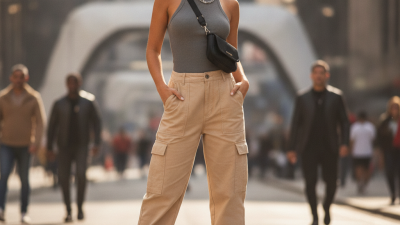
Slim-fit and modern casual cargo pants A narrower silhouette and more understated pockets than traditional roomy styles; available in varied fabrics and colors. Everyday casual outfits and smart-casual looks, depending on the fabric and styling. Cargo pants became civilian fashion items as military-inspired clothing entered mainstream wardrobes. Later designs reshaped the cut while retaining the recognizable pockets.
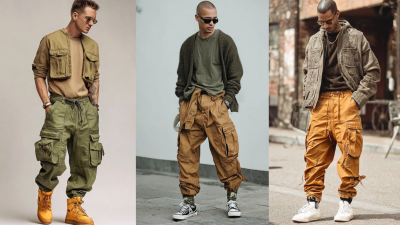
Baggy and streetwear cargo pants Loose, often oversized fit with prominent pockets and a relaxed leg shape. Casual streetwear and fashion-led outfits. Roomy cargo styles gained strong visibility in youth and street fashion during the 1990s and have since returned in different interpretations.
Convertible cargo pants Detachable lower legs that allow the trousers to be converted into shorts, typically using zippers or another fastening system. Travel and outdoor activities where changing conditions or temperatures are expected. This practical variation extends the adaptable, utility-focused approach associated with outdoor clothing.
How the design developed From practical field trousers to workwear, outdoor clothing, and a wide range of casual fashion styles. Today, cargo pants are worn for utility, comfort, personal style, or a combination of these reasons. Their history reflects a shift from functional clothing toward civilian and fashion use. Contemporary versions range from rugged and roomy to lightweight, tailored, or oversized.

What Features Distinguish Cargo Pants?

Cargo pants are defined less by one silhouette than by practical construction. Their side pockets usually have gussets, which let them expand for gloves, a phone, or a folded map. Flaps help cover the opening; snaps or buttons keep small items from slipping out. Some pockets are flat instead. Useful, but less roomy.

Look closely at the seams. Bar tacks often reinforce pocket corners, where repeated pulling can strain fabric. A ripstop weave uses a grid of stronger threads to help limit small tears, while cotton twill feels substantial but may dry slowly when wet.

Textile Exchange’s 2024 Materials Market Report estimates that global fiber production reached 124 million tonnes in 2023, underscoring the range of fibers used in clothing—not the performance of any single pair of pants.

Fit matters, too. A knee dart or gusset can make squatting easier, while oversized pockets may swing or catch when full. That trade-off is easy to miss.

Pocket count alone says little about durability; fabric thickness, stitching, and how the trousers sit under load deserve a closer look.

What Are the Main Types of Cargo Pants?

Cargo pants are trousers with roomy side pockets, but their cuts and functions vary. The main types are classic utility, slim or tapered, jogger, wide-leg, and tactical-inspired styles. These are practical design categories, not a formal industry standard.

Classic utility pants have straight legs and flap pockets, often with reinforced seams. Roomy pockets matter. Slim styles narrow toward the ankle, giving a cleaner outline while keeping usable storage. Jogger cargo pants add elastic cuffs, which sit neatly above boots or sneakers. Wide-leg versions offer more airflow and space for layering. Tactical-inspired designs usually add pocket dividers, sturdy fabric, and reinforced knees. Details differ. Pocket placement can affect comfort when sitting or carrying small tools.

Fabric also shapes how each type wears. Cotton twill feels familiar and structured, while synthetic blends often dry faster and resist abrasion.

Textile Exchange’s 2024 Materials Market Report estimates that global fiber production reached 124 million tonnes in 2023. The report projects 160 million tonnes by 2030. This figure covers the wider textile industry, not cargo pants specifically, but it highlights why fiber choices deserve attention.

A heavier fabric may hold its shape, yet feel warm in summer. I would not assume more pockets always mean better utility; deep pockets can pull at the fabric and feel awkward when full.

How Do Cargo Pants Vary by Fit and Use?

Cargo pants vary most in their cut, pocket placement, and the work they need to do. A relaxed fit leaves room through the seat and thighs, which helps when bending or climbing. Straight-leg styles sit closer without gripping the calf. Tapered legs narrow toward the ankle and pair neatly with boots or trainers, though they can feel restrictive over bulky footwear. Fit is personal. A waistband that stays put and pockets that do not swing heavily are practical signs to check.

Use shapes the details. Lightweight cotton blends suit warm days and everyday errands, while heavier woven fabric handles repeated wear better. Stretch fabric can make squatting easier, but too much stretch may feel less supportive with loaded pockets. For hiking, secure closures and pockets that sit clear of a backpack hip belt are useful. For work, reinforced seams and a higher rise can improve comfort when kneeling. That matters.

Pocket design deserves a real-world test. Put a phone, keys, or a small notebook in the pockets, then sit and walk. If items press into your thigh or pull the trousers sideways, the fit may be wrong for your routine. More pockets are not always better. I would also check the leg opening with the shoes you actually wear; online fit descriptions can be vague, and even a good pair may need a small adjustment.

What Are Cargo Pants and What Types Are Available?

Cargo pants are trousers with roomy utility pockets, commonly placed on the thighs. Fits range from slim to relaxed, while styles may be designed for everyday wear, outdoor activities, or work.

This chart shows a common six-pocket layout: two front pockets, two rear pockets, and two thigh cargo pockets. Pocket layouts vary by garment; the fit and intended use also influence pocket size and placement.