request to quote
Leave Your Message

Why Are Cargo Pants So Popular Among Global Buyers?

Why Are Cargo Pants So Popular Among Global Buyers?

Cargo Pants have moved from military workwear into everyday wardrobes across many markets. Their appeal is practical and visible. Large side pockets hold phones, wallets, keys, and small tools without requiring a bulky bag. Strong cotton or blended fabrics also tolerate commuting, travel, and repeated washing. That durability matters to buyers who want clothing to work harder.

British designer Nigel Cabourn, known for his research into military clothing, has said, “The military is the greatest designer in the world.” His view helps explain the continuing interest in Cargo Pants. Military garments were designed around movement, storage, weather, and repair. Those features still feel useful in modern cities. A shopper may wear them with sneakers on a weekday, then pair them with boots for an outdoor trip. The same trousers can serve several routines.

Yet popularity is not based on function alone. Cargo Pants offer a recognizable shape, with oversized pockets and a relaxed leg that photographs well online. Buyers can choose slim, wide, vintage, or technical versions. This range supports different body types and styling preferences. Some designs are poorly balanced, however. Excessive pockets can add weight, restrict movement, or look artificial. That weakness deserves attention. Good design should not confuse decoration with usefulness.

Global buyers also respond to value. One pair can support work, travel, casual wear, and weekend activities. Still, demand may change as trends shift. Brands should therefore combine authentic utility, responsible materials, accurate sizing, and clear product information. Cargo Pants remain popular because they connect history with daily needs, but their future depends on thoughtful execution.
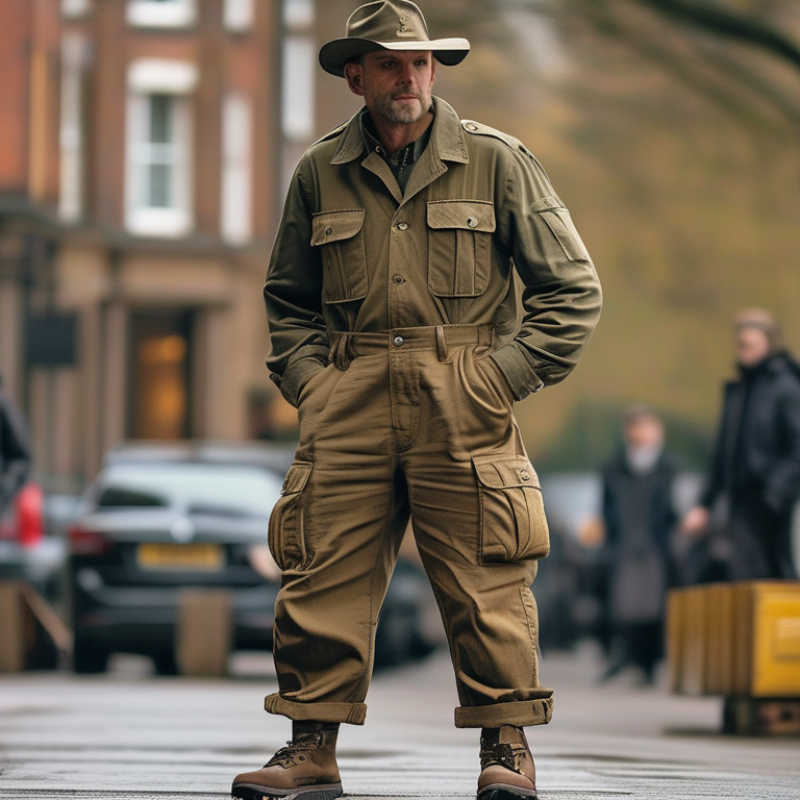
Why Are Cargo Pants So Popular Among Global Buyers?

Cargo Pants: Definition and Key Design Features

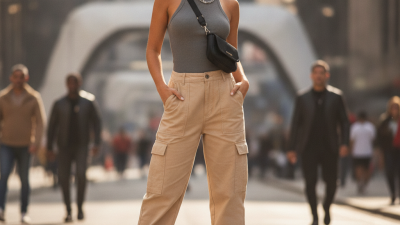
Cargo pants are trousers designed with additional storage, usually through sewn-on side pockets. Their loose, practical shape began with work and field clothing, but global buyers now value adaptable everyday wear. Key features include reinforced seams, belt loops, a button or zip fly, and pockets with flaps, snaps, or hook-and-loop closures. Pocket placement affects comfort as much as appearance. A pocket resting above the knee is easier to reach while walking. One positioned too low may pull the fabric and disturb movement. Buyers should inspect pocket depth, stitching density, and fabric recovery rather than trust photographs alone. These details reveal whether the garment is prepared for repeated washing and active use.

Common materials include cotton twill, ripstop blends, and lighter recycled-fiber fabrics. Cotton feels breathable, while ripstop weaves help limit small tears. Blended fabric can dry faster, though it may feel less natural against the skin. Fit also changes the product’s function. A straight leg suits boots and daily commuting. A tapered leg looks cleaner but can restrict movement around the calf. Adjustable hems, articulated knees, and gusseted pockets add useful flexibility. Still, more features do not always mean better design. Extra hardware adds weight and may create noise. Buyers should compare size charts, pocket measurements, wash instructions, and seam photographs. Color consistency deserves attention too, especially across large orders. Practical samples sometimes expose problems hidden by polished product images. A well-designed pair should carry essentials without becoming bulky, stiff, or awkward.
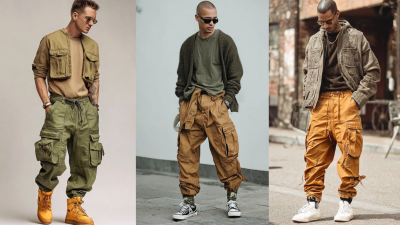
The Functional Benefits That Attract Buyers Worldwide

Cargo pants attract global buyers because they solve practical problems in ordinary routines. A phone, wallet, keys, and small notebook can fit into separate pockets. That matters during commuting, travel, outdoor work, and weekend activities. Comfort also supports repeat purchases. The 2024 Cotton Incorporated Global Lifestyle Monitor found that 73% of consumers consider comfort important when choosing clothing. Cargo pants answer that expectation through relaxed cuts, adjustable waists, and breathable cotton blends.

Durability adds another advantage. Grand View Research valued the global workwear market at over 16 billion dollars in 2023, reflecting continued demand for practical clothing. Reinforced seams and stronger pocket panels can help pants survive repeated movement. Buyers often inspect stitching around knees and pocket openings before purchasing. Small construction details matter. However, durability claims are not always equal. Fabric weight, washing conditions, and sewing quality can change performance significantly.

Cargo pants also offer flexible styling. One pair can move from a warehouse shift to a casual evening with fewer changes. The 2024 McKinsey State of Fashion report describes value-conscious consumers as increasingly focused on versatility and cost per wear. This helps explain their broad appeal across markets. Still, too many pockets may create bulk, and oversized fits can restrict movement. Function is useful only when the design remains comfortable.

Why Are Cargo Pants So Popular Among Global Buyers?

Cargo pants attract buyers worldwide because their design combines practical storage, durability, everyday comfort, and versatile styling. The index reflects the relative importance of commonly recognized functional attributes, rated on a 1–5 scale rather than representing sales or brand-specific data.

How Cargo Pants Adapt to Different Lifestyles and Climates

Cargo pants have earned global attention because they adjust to real daily routines. Their design supports commuters, travelers, outdoor workers, and casual dressers without demanding one fixed lifestyle. Deep pockets can hold a phone, transit card, keys, or a small notebook. That practical space matters when bags feel inconvenient.

Climate changes the better fabric choice.
In hot, dry areas, lightweight cotton blends and breathable weaves reduce heat around the legs. In humid cities, quick-drying fabric can feel more comfortable after a sudden rain shower. For colder regions, a roomier cut allows thermal layers underneath. Useful detail: adjustable hems help keep cuffs away from wet streets and bicycle chains. They are small features.

From my experience reviewing everyday garments, pocket placement affects comfort more than many shoppers expect. Bulky side pockets may press against the thigh while sitting. Reinforced stitching helps when pockets carry heavier objects, but extra fabric can make the garment feel stiff. The fit is not always perfect. Some cuts suit active movement, while others look better in relaxed urban settings. Buyers should check measurements, fabric weight, closure quality, and care instructions before ordering internationally. Sizing can vary between suppliers, even when the labeled size appears familiar. I still question whether every pocket is useful. Sometimes, fewer pockets create a cleaner and more comfortable design.

The Influence of Fashion Trends and Cultural Preferences

Why Are Cargo Pants So Popular Among Global Buyers?

Cargo pants have become popular because fashion now values comfort, utility, and relaxed silhouettes. Their appeal also reflects cultural preferences in different markets. In some cities, large pockets suggest practical everyday clothing. In others, the loose shape represents youth, travel, or outdoor confidence. A buyer may wear them with sneakers in the morning and a simple shirt at dinner. This flexibility supports demand across age groups and lifestyles. From apparel market observations, fabric weight, pocket placement, and leg width strongly affect local acceptance. Climate matters too. Lightweight cotton suits warm regions, while heavier blends feel better in cooler weather.

Tips: Study local styling habits before choosing colors or pocket designs. Check sizing carefully. A fashionable shape can still feel uncomfortable.

Cultural influence is not always easy to measure. Some shoppers prefer muted earth tones, while others choose bright shades to express individuality. Workwear details can also carry different meanings across communities. Designers and buyers should avoid assuming one global trend fits everyone. This view is imperfect, but useful. Cargo pants may sell well online and perform poorly in physical stores if customers cannot judge the fit. Waist comfort, pocket strength, stitching, and fabric breathability deserve practical testing. Small details often decide whether a trend becomes a repeat purchase or remains a short-lived fashion moment.

Why Are Cargo Pants So Popular Among Global Buyers? - The Influence of Fashion Trends and Cultural Preferences

Dimension Evidence-Based Data Point Influence on Buyer Interest Relevant Cultural or Fashion Preference Evidence Type
Historical origin Cargo-style trousers were developed from military utility clothing and became widely associated with military uniforms during the late 1930s and 1940s. The military heritage gives the garment a recognizable functional identity and supports its long-term acceptance in casualwear. Buyers often respond positively to products that combine practical origins with contemporary styling. Military-clothing history
Pocket functionality The defining feature is one or more large pockets attached to the outer leg, providing additional storage without requiring a bag. Hands-free storage is attractive for commuting, travel, outdoor activities, festivals, and everyday urban use. Practical design is valued in markets where consumers prioritize convenience and multifunctional clothing. Garment construction characteristic
Y2K fashion revival Cargo trousers were strongly associated with late-1990s and early-2000s youth fashion, and Y2K styling returned to mainstream fashion discussions during the 2020s. The revival connects cargo pants with nostalgia, youth culture, relaxed silhouettes, and social-media-driven outfit inspiration. Younger shoppers commonly mix vintage-inspired items with modern tops, sneakers, and accessories. Documented fashion-cycle pattern
Relaxed silhouettes Loose, wide-leg, straight-leg, and parachute-inspired cargo shapes have appeared repeatedly in contemporary casualwear collections and street-style photography. Roomier cuts offer comfort and make the garment easier to style for casual, travel, and leisure occasions. Comfort-led dressing and oversized proportions remain important influences in global youth and streetwear culture. Silhouette trend observation
Gender-neutral appeal Cargo pants are commonly offered in cuts and colors that can be worn across gender categories, including straight, relaxed, and oversized fits. A broadly wearable design can increase styling flexibility and expand the potential customer base. Many younger consumers favor self-expression and clothing that is not restricted to traditional gender classifications. Contemporary apparel trend
Climate adaptability Cargo pants are produced in lightweight cotton, cotton blends, denim, canvas, ripstop, and technical synthetic fabrics, allowing different seasonal uses. Fabric variation allows buyers in warm, temperate, and cooler climates to select suitable weights and levels of durability. Hot-climate shoppers tend to prefer breathable lightweight materials, while outdoor-oriented buyers may prioritize abrasion resistance and weather protection. Material and climate suitability
Urban commuting Cargo pants provide more storage than standard five-pocket trousers while maintaining a casual appearance suitable for daily wear. The combination of storage, mobility, and casual styling suits public transport, cycling, walking, and active city lifestyles. Urban consumers increasingly look for clothing that can transition between work-free time, travel, and social activities. Use-case analysis
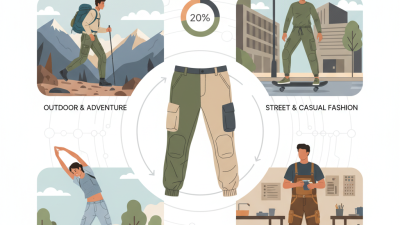
Outdoor and utility culture Cargo design is also used in workwear, hiking apparel, fishing clothing, travel clothing, and other utility-focused categories. The product benefits from crossover demand between fashion consumers and buyers seeking durable outdoor clothing. Functional aesthetics appeal to consumers who prefer visible utility details, durable fabrics, and activity-ready clothing. Category and usage evidence
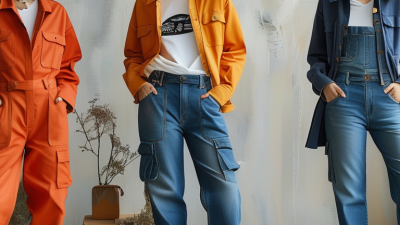
Color versatility Common cargo-pant colors include black, khaki, olive, beige, navy, grey, and denim-related shades. Neutral colors make the garment easier to coordinate with T-shirts, knitwear, hoodies, shirts, jackets, and sneakers. Neutral palettes are widely used in minimalist, military-inspired, workwear, and streetwear outfits. Styling and color analysis
Cultural adaptability Cargo pants can be styled with regional preferences such as modest layering, casual basics, outdoor clothing, or contemporary streetwear. The basic design can be adapted without changing its core utility, helping it travel across different fashion cultures. Local climate, modesty norms, preferred fit, and dominant youth-fashion influences affect how cargo pants are worn. Cross-cultural apparel observation
Value perception One garment can serve casual, travel, outdoor, and utility purposes, depending on fabric, fit, and pocket construction. Multifunctionality can improve perceived value, especially when buyers seek versatile clothing rather than occasion-specific items. Practicality and cost-per-wear considerations are relevant across both developed and emerging apparel markets. Consumer value framework

Note: The table summarizes documented garment history, observable fashion cycles, clothing-construction characteristics, and common use cases. Regional preferences are general tendencies rather than universal rules.

Market Factors Behind Their Global Commercial Appeal

Why Are Cargo Pants So Popular Among Global Buyers?

Market Factors Behind Their Global Commercial Appeal

Cargo pants have gained strong attention because they combine practical storage with everyday comfort. Buyers often notice the side pockets first. They hold phones, wallets, keys, and small tools without requiring a large bag. This function supports demand across travel, outdoor leisure, commuting, and casual workwear markets.

Price flexibility also strengthens their commercial appeal. Manufacturers can offer lightweight cotton, blended fabric, or weather-resistant materials for different customer groups. Straight cuts suit conservative markets, while relaxed silhouettes attract younger shoppers. Adjustable hems and elastic waistbands may also reduce fitting concerns during online purchases. From a sourcing perspective, simple pocket construction can support repeated production and easier size grading.

Online retail has changed how shoppers judge these trousers. Clear pocket images, fabric close-ups, and short videos can explain value quickly. Seasonal demand varies by climate, but the product remains useful across many regions. Durability matters too. Buyers increasingly ask about stitching, fabric weight, and washing performance rather than appearance alone.

The market is not perfectly predictable. Too many pockets can look excessive, and heavy fabric may feel uncomfortable in warm cities. I may overstate convenience when pocket design is poorly tested. Fit still decides repeat purchases. Suppliers who study local preferences, measure samples carefully, and collect buyer feedback can reduce these weaknesses while keeping production commercially practical.