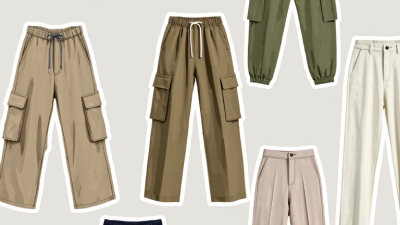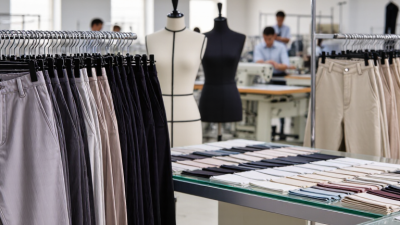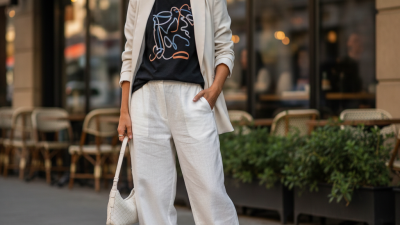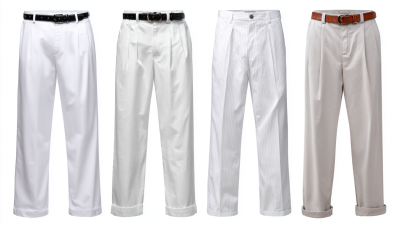
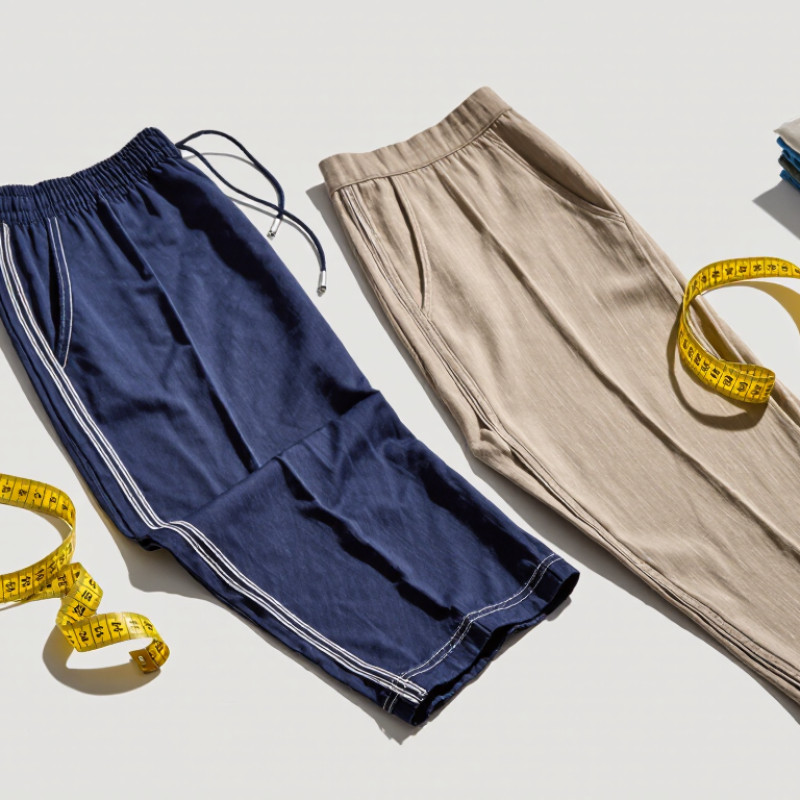
Baggy Pants can look similar in a product photo, but fit, fabric, and construction vary widely. A roomy silhouette may feel relaxed on one wearer and oversized on another. For global buyers, choosing a reliable style means checking details beyond the image. Waist measurements, rise, inseam, leg opening, and fabric weight all affect how the finished garment looks and feels.
A clear buying process starts with a detailed product specification. Compare the size chart with a physical sample, and check measurements after washing when possible. Ask suppliers about fabric composition, shrinkage, stitching, color consistency, and available sizes. Small details matter. A drawcord that twists, a pocket that sits too low, or a hem that loses shape can change customer feedback. Photos are useful, but they cannot replace inspection.
The tips in this guide cover supplier communication, sample review, pricing, order quantities, and quality checks. Buyers should confirm what each quotation includes, since fabric, labels, packaging, and shipping can affect the final cost. Keep written records of approved measurements and revisions. Not every supplier will answer with the same level of detail, and that is worth noticing. Even a careful checklist cannot predict every production issue; reviewing samples and discussing expectations early can reduce avoidable surprises.
Baggy pants can sell well, but demand depends on how shoppers plan to wear them. Compare local search interest, retailer assortments, and customer feedback before choosing colors or quantities. A streetwear audience may prefer a very wide leg, while everyday buyers may want room through the thigh and a cleaner hem. Check seasonal needs, too: heavy fabric can feel uncomfortable in warm markets. A small test order can reveal more than a broad guess.
Tips: Review sales by size, not just total units. Ask local buyers which rise, leg width, and length feel wearable. Keep notes from sample fittings; one fit model rarely represents every customer.
Build the size range around actual body measurements and the fit you intend to sell. Measure waist, hip, rise, thigh, inseam, and leg opening on each sample. Then compare those numbers with a clear size chart. Baggy does not mean shapeless: excess fabric at the waist can cause slipping, while an overly long inseam may drag on the ground. Include fit notes for different heights when possible. Size grading can still miss real-world variation, so revise the chart after fitting more than one body type.
When comparing baggy-pant fabrics, ask suppliers for GSM results measured under ASTM D3776, a recognized method for determining fabric mass per unit area. GSM means grams per square meter. It offers a consistent starting point for comparing cotton twill, denim, and blended fabrics. Request the test report, sample identification, and conditioning details, not just a figure in a message.
A heavier fabric may feel more substantial, but GSM alone cannot predict comfort, strength, or how trousers will drape. A 280 GSM twill may feel firm, while a lighter weave can still hang well because of its yarns and finish. Numbers need context. Compare samples using the same test procedure and similar conditioning. Check whether the reported value represents the actual fabric construction you plan to order.
For purchasing, ask for results from multiple production samples when consistency matters. A single swatch can miss variation across a fabric roll, and I would not treat one test result as a guarantee. Compare the reported GSM with a physical sample: hold it against the light, fold it, and feel how it moves. Note any difference between the report and the fabric in hand before approving bulk production.
| Buying tip | Fabric example | Indicative GSM benchmark | What to compare | Buyer action |
|---|---|---|---|---|
| 1. Match weight to the season | Lightweight cotton twill | 180–220 g/m² | Lower GSM can feel cooler and drape more easily, but may offer less opacity and structure. | Check opacity, pocket show-through, and the fabric hand in a finished garment sample. |
| 2. Choose a versatile everyday weight | Midweight cotton denim | 280–350 g/m² | A middle-weight denim is often a practical starting point for year-round casual pants. | Compare the submitted GSM report with the approved fabric swatch and wash sample. |
| 3. Allow for the stiffness of heavy fabrics | Heavy cotton denim | 360–450 g/m² | Higher GSM can add body and durability, but may feel warmer or restrict movement in a very loose cut. | Assess drape, bending comfort, and finished-garment weight before bulk approval. |
| 4. Check canvas for the intended use | Cotton canvas | 250–400 g/m² | Canvas weight varies by construction; two fabrics with similar GSM can still differ in firmness and texture. | Request weave details and evaluate seams, pocket areas, and movement in a wear sample. |
| 5. Do not judge knit pants by GSM alone | Cotton jersey | 180–240 g/m² | Stretch, recovery, and knit structure affect fit and appearance as much as fabric mass. | Ask for stretch and recovery checks in addition to the GSM report. |
| 6. Consider warmth and bulk together | Cotton or cotton-blend fleece | 280–400 g/m² | Brushed surfaces can feel warmer and bulkier; the fabric mass alone does not describe insulation. | Confirm whether GSM refers to the complete fabric and inspect the brushed face and reverse. |
| 7. Keep lightweight woven styles practical | Lightweight nylon woven | 90–160 g/m² | Low fabric mass can reduce garment weight, while lining and pocket bags add to the finished item. | Request the shell GSM separately from lining and trims, and check tear and seam performance. |
| 8. Compare blends on the same basis | Cotton-polyester twill | 220–300 g/m² | Fiber blend and yarn construction influence feel and care; GSM alone does not indicate fiber content. | Verify fiber composition separately and compare GSM using the same test conditions. |
| 9. Set a clear acceptance range | Any approved shell fabric | Buyer-defined target and tolerance | A GSM range is a purchasing specification, not a universal allowance. | Write the target, tolerance, sampling plan, and test method into the purchase specification. |
| 10. Verify the lot before shipment | Production fabric lot | Compare actual report with approved target | Results can vary with sampling, specimen conditioning, and the selected test procedure. | Request a dated ASTM D3776 report identifying the lot, test option, specimen details, and reported g/m². |
Baggy pants often combine cotton, polyester, elastane, or recycled fibers, so a label deserves more than a quick glance. Textile Exchange’s Materials Market Report 2024 estimates global fiber production reached 124 million tonnes in 2023, with polyester making up 57%. That scale makes precise blend declarations important. Under EU Regulation (EU) No 1007/2011, fiber names and percentages by weight must be stated clearly and legibly. Check that the label matches the bill of materials, supplier declarations, and test documentation. A roomy cut can hide a complicated fabric. Small details matter.
For U.S. sales, FTC textile rules generally require fiber content, country of origin, and the responsible business identity. Compare the wording and percentages across both markets; do not assume one label automatically meets every requirement. For example, “cotton blend” is not a substitute for listing each covered fiber and its percentage. Request evidence for recycled-content claims, too, since a recycled claim does not replace the required fiber name. Keep dated records tied to each fabric lot. A simple spreadsheet helps. One imperfect habit is trusting a supplier’s old specification sheet; blends can change between production runs. Recheck the actual shipment before approving labels, especially when stretch content affects fit and recovery.
For global baggy-pant orders, build the size run from body measurements, not guesswork. ISO 8559-1 provides definitions for measuring the human body; it does not specify finished garment dimensions. Record waist, hip, seat, and stature consistently, with the same posture and measuring points across participants. Fit changes quickly.
A larger hip measurement may call for a different grade than a taller stature. Keep those dimensions visible in your size chart rather than scaling every measurement by one fixed amount. Baggy styles need room through the seat and thigh, but added ease should be a deliberate design choice, not confused with body size. Test a sample on people near the lower, middle, and upper ends of the proposed run.
Measurement data can reveal gaps in a size range, but it cannot represent every customer automatically. Check how the data was collected, how current it is, and which population it covers. Then compare the pattern with real fitting results and note where movement feels restricted or fabric pools. One limitation is easy to miss: a tidy measurement table can still produce an awkward fit. Revise the grade where evidence supports it, and document any judgment calls for the next order.
Illustrative size-run planning example: body measurements in centimetres across five sample size points. ISO 8559-1 standardizes how body measurements are defined and taken; it does not prescribe these size values. Validate the size run against your target market’s measurement data.
Baggy pants face repeated rubbing at the inner thighs, pocket edges, and seat. Dark washes deserve close attention. Test fabric under ISO 105-C06 using laundering conditions that match the care label and buyer requirements. Record shade change and staining on adjacent multifiber fabric, not just whether the sample looks acceptable at a glance. Ask the lab to report the exact procedure and ratings. A passing result under one wash condition does not predict every household wash.
Check seams with ASTM D1683, which evaluates sewn-seam failure in woven fabrics. Test the actual production fabric, thread, stitch, and seam construction. Record breaking load and failure mode; a seam opening at low force differs from fabric tearing beside the stitches. Set a buyer-approved minimum rather than assuming the standard supplies one universal pass value.
WRAP’s Valuing Our Clothes report estimates that extending clothing life by nine months can cut carbon, water, and waste footprints by 20–30%. Durability testing supports that goal, but lab results cannot reproduce every wearer’s movement. That limitation matters.
Textile Exchange reported 124 million tonnes of global fiber production in 2023, underscoring the scale of material use. A lab pass is useful, not a promise. Recheck results after any wash, dye, or sewing change.