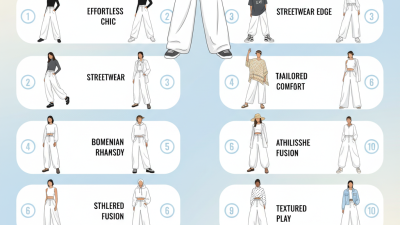
Where to Find the Best Baggy Pants Manufacturers in China?
Finding the right Baggy Pants manufacturer in China takes more than comparing unit prices. Fabric hand feel, consistent sizing, and dependable sampling matter just as much. A pair can look convincing in a product photo, yet feel stiff or sit poorly after one wash. Details matter.
For this guide, Lin Wei is a fictional composite sourcing adviser, not a real quoted authority. The guiding line attributed to this illustrative voice is: “A good factory proves its fit and finish in the sample, not in the sales pitch.” Treat that as a checklist, not a verified quotation. Ask suppliers for fabric composition, size grading, stitching details, sample timelines, and clear production terms. Request close-up photos of seams, waistband construction, and pocket bartacks. Then compare the sample with your approved specification.
China has a broad apparel supply base, but factories differ in product focus and capacity. Search by manufacturing region and garment category, then verify each supplier’s actual production experience. A polished website is not proof. Confirm who makes the garment, how quality checks are recorded, and whether the factory can maintain the same measurements across repeat orders. Small inconsistencies happen; the important question is how they are found and corrected. This article will show you where to look, what to ask, and how to assess a Baggy Pants manufacturer with practical evidence rather than promises.
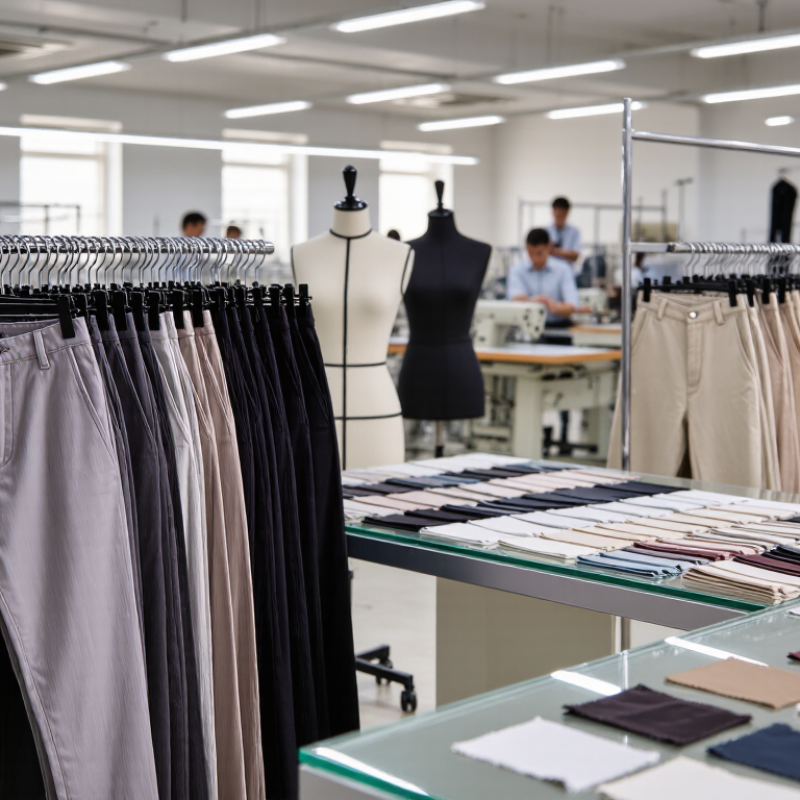
Understanding China's Baggy Pants Manufacturing Landscape
China’s baggy pants manufacturing landscape is varied, not concentrated in one single center. Guangdong, Zhejiang, and Jiangsu have broad apparel and textile supply networks, though factory capabilities differ by city and workshop. Some facilities focus on woven trousers; others handle jersey styles, garment washing, or small-batch development. The label “manufacturer” can also describe a trading office, so buyers should confirm who controls cutting, sewing, and finishing.
Fabric choice shapes the result. A 240-gram cotton twill hangs differently from lightweight denim, even when both use a relaxed pattern. Ask for fabric composition, weight, shrinkage results, and a sample sewn to your measurements. Check the seat, knee, and hem after washing. Small details matter. A wide leg can twist if the grain is poorly aligned, and deep pockets may pull on softer fabric.
Production capacity is only one part of the picture. Request clear lead times, sample costs, inspection steps, and records of previous trouser work. Video calls can help, but they do not replace checking a physical sample. I would be cautious about judging quality from polished photos alone. Even a capable supplier may misunderstand a fit note; written measurements and marked-up images reduce that risk, though they do not remove it.
Identifying Key Regions for Baggy Pants Production
China’s baggy-pants production is spread across several apparel and textile hubs. Guangdong, especially Guangzhou and Dongguan, offers a broad network of cut-and-sew workshops, fabric suppliers, and washing facilities. This can help buyers compare denim, twill, and lightweight cotton styles in one sourcing trip. Zhejiang has strong fabric and garment capabilities, while Jiangsu, including Changshu, is known for apparel manufacturing and textile supply. The best fit depends on the fabric, order size, and finish—not just the city name.
Ask factories where they source fabric and which steps they handle in-house. For wide-leg trousers, check waistband stability, pocket placement, seam strength, and how the garment hangs after washing. Request a sample made with the intended fabric; a soft showroom sample may behave differently in bulk. Regional strengths vary by supplier, and online directories rarely show production capacity clearly. Verify details directly.
Tips: Send a measurement chart and reference photos before requesting a quote. Compare sample quality, lead time, and minimum order quantity. Keep one point in mind: a low price can hide fabric or finishing compromises. Ask for clear answers, then check them against the sample.
Finding Manufacturers Through Sourcing Channels and Trade Platforms
Trade platforms are useful for building a shortlist of baggy pants manufacturers, but a polished profile is only a starting point.
Filter by garment category, production capability, and location, then check whether the company describes a factory or a trading operation. Details matter. Look for clear photos of cutting tables, stitching lines, and finished garments, not just lifestyle images. Ask about fabric weight, size grading, minimum order quantities, sample fees, and production lead times. Specific answers are more useful than quick promises.
Other sourcing channels can add context. Referrals from experienced buyers, local sourcing agents, and apparel trade fairs may help identify suppliers that are hard to assess online. Still, recommendations can be outdated, and an agent’s priorities may not match yours. Verify business details independently and request a sample made to your measurements. Check seams, waistband recovery, pocket placement, and how the fabric drapes after washing. A sample is not a guarantee. Keep written records of specifications and revisions; small differences between a sample and bulk production can happen. It is tempting to trust a neat listing, but comparing several suppliers usually reveals which questions you have not asked.
Assessing Manufacturer Quality, Capacity, and Compliance
When assessing baggy pants manufacturers in China, separate national capacity from factory-level performance. China’s textile and apparel exports reached about US$293.6 billion in 2023, according to China Customs data reported by the China National Textile and Apparel Council. That scale signals a deep supplier base, not guaranteed quality. Ask for recent production records, defect rates, and references for similar relaxed-fit trousers.
Check samples against a written specification. Measure waist, hip, rise, thigh, and leg opening after washing; baggy silhouettes can shift noticeably with fabric shrinkage. Review stitching at the crotch, pocket corners, and waistband. Ask the manufacturer to show how it records inspection results and handles rejected pieces. A certificate alone is not enough. Verify its scope and issuing body.
Capacity needs evidence, too. Compare the factory’s monthly output with your order size, then inspect cutting tables, sewing lines, and finishing space where possible. The World Bank’s 2023 Logistics Performance Index ranked China 19th among 139 economies, but that national score cannot predict one supplier’s dispatch accuracy. Request a production calendar and recent on-time delivery data. I would still allow extra time; my own estimates can be too optimistic. Check labor, chemical, and environmental controls against recognized standards, and ask for dated audit documents rather than verbal assurances.
Comparing Samples, Pricing, and Production Terms
When comparing baggy pants manufacturers in China, assess each sample against a written specification, not just a product photo. Check the rise, thigh width, leg opening, inseam, and waistband stretch with a tape measure. Feel the fabric after washing, since shrinkage or twisting can change the drape. Small details matter. Ask whether the sample uses the same fabric weight, trims, and stitching planned for bulk production. One sample can mislead.
Request an itemized quote showing fabric, pattern work, grading, labels, packaging, and shipping terms. Compare minimum order quantities and sample fees alongside the unit price. A cheaper quote may use lighter fabric or exclude costs you assumed were included. Ask what triggers a price change if fabric prices shift or measurements are revised. Even a clear quote can leave room for interpretation, so record agreed details in writing.
Before placing an order, confirm the production schedule, available capacity, inspection stages, and process for handling defects. Ask for a pre-production sample and written measurement tolerances. Find out when changes must be approved to avoid disrupting the cutting schedule. A polished sample does not prove consistent bulk quality. That is easy to overlook. If a factory gives only broad timelines, request milestone dates for fabric preparation, sewing, and final inspection. Allow time for corrections; tight schedules can make small fit problems expensive.