China Top Z Supply T Shirts Wholesale Supplier?
Finding a reliable China wholesale supplier for Z Supply T Shirts requires careful research, not only a low quoted price. Buyers should confirm whether the supplier is an authorized distributor, a licensed manufacturer, or an independent apparel producer. This distinction matters because brand names, logos, labels, and designs may be protected by intellectual property laws. A professional supplier should provide clear company details, product documentation, fabric information, and realistic production timelines.
Look closely at cotton composition, fabric weight, stitching quality, shrinkage control, and color consistency. Request samples before placing a bulk order. Feel the fabric, inspect the neckline, and wash one shirt to evaluate its shape afterward. Small details reveal manufacturing discipline. Ask about minimum order quantities, size grading, packaging, payment terms, and quality inspections. A trustworthy factory will explain these points without pressure or vague promises.
Experience helps, but it does not replace verification. Some suppliers present polished catalogs while offering inconsistent production quality. That is a risk. Buyers should compare samples, check business credentials, and use written agreements for every important requirement. Independent inspections can also reduce misunderstandings before shipment. However, even a careful process cannot remove every sourcing problem. Delays happen. Colors may vary slightly. I have found that honest communication is often more valuable than impressive claims. The best supplier is not always the cheapest option. It is the partner that delivers consistent quality, respects applicable laws, and responds responsibly when something goes wrong.
Understanding China’s T-Shirt Wholesale Supply Market
Understanding China’s T-Shirt Wholesale Supply Market
China’s T-shirt wholesale market serves many buyers, from small online shops to established retailers. I have seen buyers focus on price and overlook fabric performance. That mistake can become expensive. Cotton, polyester, and blended fabrics behave differently after washing. Ask suppliers for GSM, shrinkage data, colorfastness results, and stitching details. A clear product specification reduces misunderstandings during production.
Reliable sourcing requires more than comparing quotations. Request samples before placing a large order. Check collar recovery, seam strength, print durability, and measurement accuracy. Factory experience also matters. A supplier handling consistent monthly orders may manage production more smoothly. However, low prices can hide weaker quality control or uncertain lead times. I once underestimated inspection costs, and the final margin suffered. That decision needed more careful planning.
Tips: Build a simple supplier checklist. Record fabric content, GSM, measurements, packaging, minimum order quantity, and delivery dates. Ask how defective pieces are handled. Independent inspections can provide useful evidence before shipment. Keep communication in writing, especially when approving color shades or size charts. Local holidays and port delays may affect schedules, so add practical time buffers. One sample is not enough. Test several pieces from different production batches when possible.
Key Criteria for Evaluating a Chinese T-Shirt Supplier
China Top Z Supply T Shirts Wholesale Supplier?
Key Criteria for Evaluating a Chinese T-Shirt Supplier
Choosing a Chinese T-shirt supplier requires more than comparing unit prices. Ask for fabric composition, weight, shrinkage results, and colorfastness reports. A reliable supplier explains these details clearly. Vague answers deserve caution.
Request physical samples in several sizes. Measure chest width, body length, collar recovery, and seam strength after washing. Check the fabric under bright light for uneven knitting or loose fibers. I once trusted a smooth sample, but the bulk fabric felt thinner. That mistake changed my inspection process.
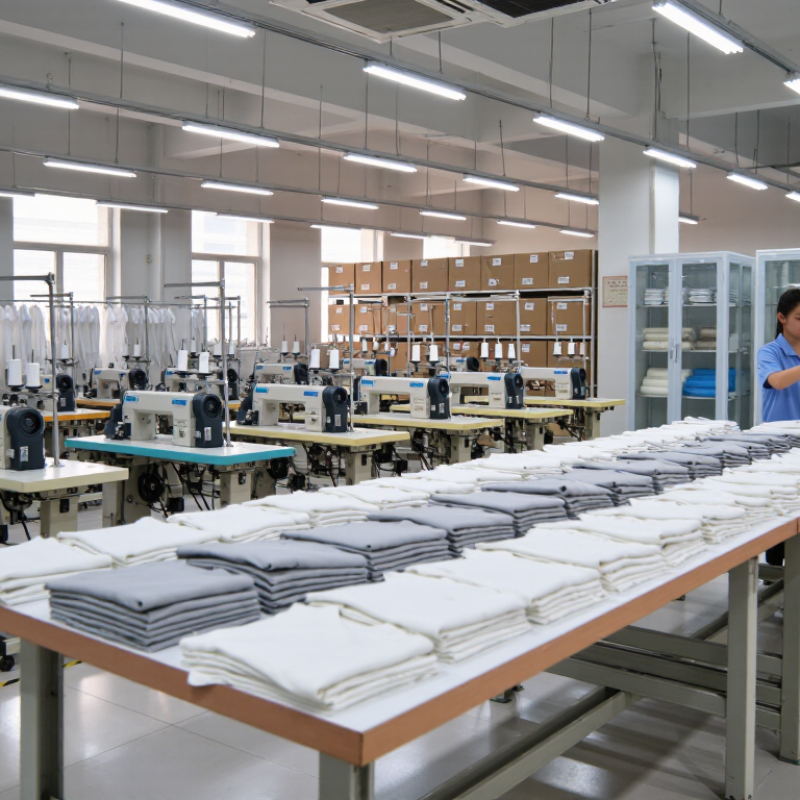
Production experience also matters. Review factory photos, quality procedures, export records, and relevant third-party audit documents. Ask who controls fabric inspection and final packing. The supplier should provide a realistic production schedule, carton dimensions, and traceable order records. Very low minimum quantities may sound attractive, yet they can hide limited production capacity. Communication is evidence, too. Replies should address measurements, tolerances, packaging, and corrective actions instead of offering general promises.
Test a small order before increasing volume. Use a written specification sheet with approved measurements, thread color, label placement, and folding method. Independent inspection can verify random cartons before shipment. No process is perfect. Even careful buyers should record defects, review causes, and improve future specifications. A dependable supplier accepts reasonable questions and documents changes without pressure.
Key Criteria for Evaluating a Chinese T-Shirt Supplier
The chart presents a practical evaluation framework for wholesale buyers. Product quality and total pricing receive the highest weights, while minimum order quantity, lead time, compliance, and communication help assess supply reliability and long-term cooperation.
Product Range, Fabric Quality, and Customization Options
When sourcing wholesale T-shirts from China, product range should match the selling channel. A capable supplier may offer crew necks, V-necks, oversized cuts, polos, and long-sleeve styles. Cotton, cotton-polyester blends, and recycled fibers serve different price points. For daily retail, 180–220 GSM combed cotton offers balanced comfort and structure. Heavier 240 GSM fabric feels premium, but it may raise shipping costs. Size grading matters. Ask for measurements, not only S-to-XL labels.
Fabric quality needs evidence beyond a soft showroom sample. Request GSM results, fiber content, colorfastness data, and shrinkage records. Wash-test samples at least three times before confirming bulk production. Check twisting seams, loose threads, neck-rib recovery, and print cracking. Ring-spun yarn usually feels smoother than open-end yarn. However, softness alone can mislead. A fabric may feel excellent before washing, then lose shape afterward. Reliable communication includes written specifications, sample approval, and a clear inspection process.
Customization can cover colors, woven labels, hangtags, embroidery, screen printing, and private packaging. Share artwork in editable files and define print size, placement, and color references. Ask whether the factory separates light and dark garment production. This detail helps reduce shade variation. A useful supplier should explain minimum order quantities, sample fees, lead times, and remake policies. Do not accept vague promises. Buyers often focus heavily on unit price and overlook carton measurements or replenishment timing. A small pilot order can reveal communication gaps before larger quantities are committed.