Finding dependable China Astro Pants suppliers requires more than comparing product photos and quoted prices. Global buyers need evidence of manufacturing experience, stable quality control, and clear communication. This guide examines suppliers through practical sourcing questions, including fabric composition, pattern accuracy, stitching strength, printing durability, and production capacity.
A reliable supplier should provide detailed specifications, pre-production samples, inspection records, and realistic delivery timelines. Buyers should also confirm minimum order quantities, packaging options, payment terms, and export documentation before placing a bulk order. Small details matter. A waistband that twists after washing can damage customer trust quickly. Fit still matters.
China offers broad manufacturing capabilities, but supplier quality varies widely. A polished catalog does not prove factory ownership or consistent production. Buyers should request recent sample photos, verify business credentials, and consider an independent inspection before shipment. Where possible, compare two or three samples under the same washing and stretching conditions. That simple test can reveal uneven seams, color bleeding, or weak elastic.
No supplier is perfect. Even experienced factories may face fabric delays, sampling errors, or communication gaps. A thoughtful buyer should record these risks rather than overlook them. The strongest partnerships usually develop through clear specifications, responsive problem-solving, and documented quality expectations. This overview focuses on practical evaluation, not exaggerated rankings. It aims to help retailers, distributors, and private-label brands identify capable Astro Pants manufacturers for international business while supporting responsible and transparent sourcing decisions.
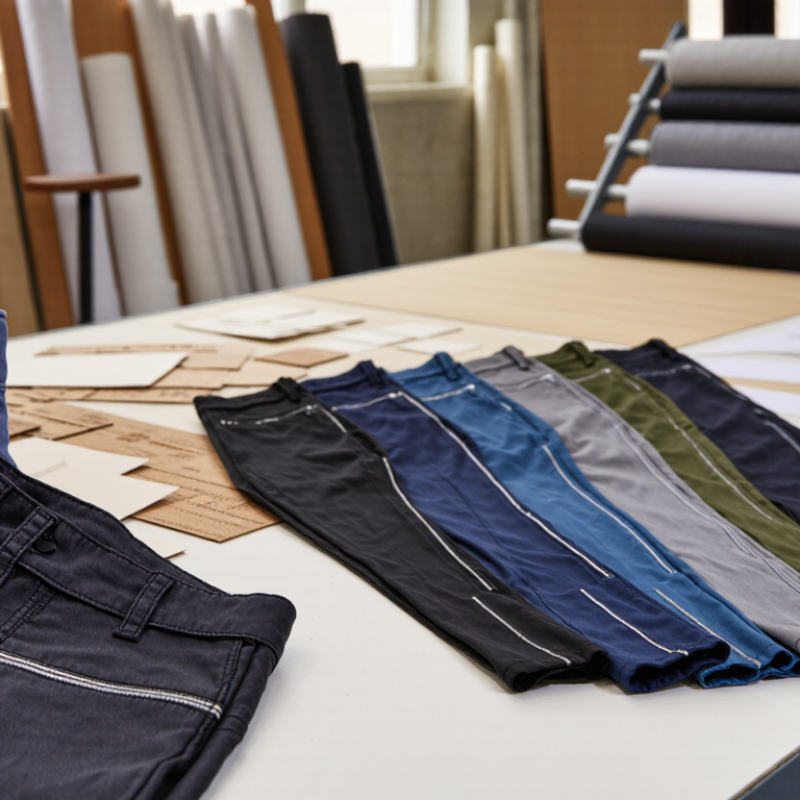
Astro pants are not a fully standardized garment category. The term often describes roomy utility trousers with a space-inspired, technical, or workwear appearance. Some styles use cotton twill, while others combine polyester and stretch fibers. Buyers should confirm the product definition before comparing suppliers.
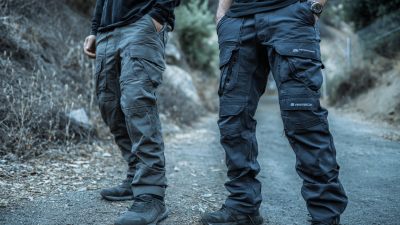
Their global uses vary by climate, activity, and retail positioning. Outdoor customers may value reinforced knees, adjustable hems, and multiple practical pockets. Fashion retailers often prefer metallic details, relaxed silhouettes, or reflective trims. In warmer markets, lightweight fabric and breathable panels matter more than heavy construction. In colder regions, buyers may request lining and wider openings for layering.
Experienced importers usually request a size chart, fabric composition, color standards, and pre-production samples. A sample can reveal problems that photos hide, such as stiff waistbands or weak pocket stitching. Supplier evaluations should also cover factory experience, inspection procedures, packaging, and production capacity. Reliable documentation supports safer purchasing decisions.
The market is growing, but demand is not identical everywhere. That assumption needs testing. A design popular in one country may feel excessive or uncomfortable elsewhere. Buyers should review local customer feedback, washing performance, and seasonal demand before placing large orders. Small trial shipments can reduce inventory risk, although they may increase the unit cost. Human inspection still matters. Even a polished specification can miss an awkward fit or inconsistent dye lot.

Choosing Chinese astro pants suppliers requires more than comparing prices. Define the product first: training use, outdoor performance, fashion styling, or teamwear. Check fabric composition, stretch recovery, breathability, waistband strength, and colorfastness. Request a physical sample, not only digital images. Inspect seams, pocket construction, drawcords, and printed measurements. A polished catalog can still hide weak stitching.
Reliable suppliers should provide clear size charts, production capacity, sample timelines, and quality-control procedures. Ask for recent test reports covering fabric content, colorfastness, shrinkage, and restricted substances. Verify whether reports match the actual material used. Factory audits, production photos, and pre-shipment inspections add useful evidence. Communication matters too. Delayed replies may create costly mistakes during bulk production. Confirm packaging, labeling, payment terms, delivery responsibilities, and required import documents in writing. No supplier is perfect. I would still compare at least three candidates.
Tips: Start with a small trial order. Measure finished garments against the approved sample. Wash-test several sizes before approving mass production. Record defects with photos and written standards. If the supplier suggests cheaper fabric, ask how performance and durability may change. This conversation often reveals practical expertise. It can also expose assumptions in your own specification. Supplier evaluation should remain a documented process, not a quick decision based on attractive pricing.
China Top Astro Pants Suppliers for Global Buyers?
Leading Supplier Types and Manufacturing Capabilities in China
China’s astro pants supply base includes OEM factories, ODM manufacturers, fabric mills, and export-focused trading companies. OEM factories follow buyer tech packs, while ODM suppliers offer existing patterns and faster development. Vertically integrated mills can control knitting, dyeing, finishing, and garment production under one system. Trading companies provide wider access to smaller workshops, but production visibility may be weaker.
Textile Exchange’s Materials Market Report 2024 reported 124 million tonnes of global fiber production in 2023. Polyester represented about 59% of that output, making polyester blends common for lightweight astro pants. Capable Chinese suppliers may provide recycled polyester options, reflective fabrics, bonded seams, sublimation printing, laser cutting, and adjustable waist systems. Buyers should request fabric GSM, fiber composition, shrinkage results, and colorfastness records.
Real production checks matter. A glossy sample can look excellent, then crack after three washes. Ask for pre-production samples, measurement charts, needle inspection, and carton-drop testing. Suppliers should also explain their quality system, corrective-action process, and testing laboratory. Small orders may suit flexible workshops, but consistency can suffer between batches. That weakness deserves attention. The supplier with the lowest quote is rarely the lowest total cost when fabric shade, seam strength, and delivery timing are unstable. Test the waistband, pocket stress points, and print adhesion before approving bulk production.
China’s large textile and apparel export base supports multiple supplier types, including fabric mills, cut-and-sew factories, sportswear manufacturers, and full-package production partners. In 2023, China exported approximately US$293.6 billion in textile and apparel products.
Source: China Chamber of Commerce for Import and Export of Textiles, 2023 export statistics. Values are shown in US$ billions and exclude individual company or brand data.
Global buyers comparing astro pants suppliers should separate the factory quote from the real landed cost. Ask for fabric composition, GSM, stretch recovery, colorfastness, seam strength, and packaging details. Textile Exchange’s Materials Market Report 2024 states that polyester represented about 59% of global fiber production in 2023. This matters because recycled and virgin polyester can differ in price, certification, and performance. A cheaper fabric may pill after several washes.
Request identical samples from three suppliers. Test waist recovery after stretching, opacity under bright light, and shrinkage after washing. Small details expose weak production control. A laboratory report helps, but it cannot replace an actual sample. Intertek and SGS testing fees should be included in the comparison, not treated as optional extras. I have seen buyers compare unit prices while ignoring sample corrections, carton volume, and inspection costs.
MOQ needs equal attention. One supplier may offer 300 pieces per color, while another requires 1,000 pieces per style. The lower MOQ can carry a higher unit price, yet it reduces inventory risk. McKinsey’s State of Fashion reporting continues to highlight cautious consumer demand and tighter inventory discipline. Ask for price breaks at 300, 500, and 1,000 pieces. Confirm whether those prices include custom labels, size sets, freight, and defect replacement. A spreadsheet helps. Memory does not. You may still choose the higher quote when quality evidence is stronger.
| Comparison Dimension | Entry-Level Production | Mid-Range Private Label | Premium Custom Production | What Global Buyers Should Verify |
|---|---|---|---|---|
| Typical FOB Price per Pair | US$5–8 | US$8–14 | US$14–25+ | Confirm fabric composition, trims, packaging, testing, and whether the quotation is FOB, EXW, or another Incoterm. |
| Standard MOQ per Color | 100–300 pairs | 300–800 pairs | 500–1,500 pairs | Ask whether MOQ applies per style, color, size, or total order quantity. |
| Sample Cost | US$30–80 | US$50–120 | US$80–200+ | Check whether the sample fee is refundable after bulk production and whether shipping is included. |
| Sample Lead Time | 5–10 working days | 7–15 working days | 10–25 working days | Separate development time from courier transit time and approval revisions. |
| Bulk Production Lead Time | 20–35 working days | 25–45 working days | 35–60 working days | Confirm the production clock starts after deposit, material approval, or final pre-production sample approval. |
| Common Fabric Options | Polyester or cotton blends | Cotton-polyester, nylon, or stretch woven fabrics | Recycled polyester, organic cotton, technical nylon, or high-stretch performance fabrics | Request fiber-content documentation, fabric weight, stretch recovery, colorfastness, and shrinkage results. |
| Typical Fabric Weight | 180–240 GSM | 220–320 GSM | 260–400 GSM or specification-based | Compare GSM together with fabric construction, opacity, drape, durability, and seasonal target market. |
| Customization Capability | Existing patterns with limited changes | Custom colors, labels, packaging, and selected pattern adjustments | Full pattern development, fit grading, trims, washes, embroidery, and packaging | Request a technical pack review, measurement chart, tolerances, and a documented sample-approval process. |
| Size Range | XS–XL | XS–2XL | XS–4XL or buyer-specific grading | Check actual garment measurements, grading increments, tolerance limits, and size-set samples. |
| Quality-Control Coverage | Basic in-line and final inspection | In-line, final, measurement, and appearance inspection | Documented inspection plan, AQL-based checks, laboratory testing, and traceability | Agree on AQL levels, defect definitions, inspection timing, corrective actions, and inspection responsibility. |
| Common Compliance Documents | Basic material and packing information | Fiber-content records, care-label information, and selected test reports | Product testing, restricted-substance documentation, recycled-content records, and social-compliance evidence where required | Match documents to the destination market and confirm report validity, test method, product style, and testing date. |
| Payment Structure Commonly Seen | 30% deposit / 70% before shipment | 30% deposit / 70% before shipment | 30% deposit / 70% after inspection or against shipping documents | Use a written purchase contract covering specifications, inspection rights, late delivery, defects, and payment milestones. |
| Best Fit for | Test orders, simple designs, and price-sensitive channels | Growing online retailers and private-label collections | Technical products, premium positioning, and long-term collection development | Select according to landed cost, required consistency, compliance exposure, and forecasted reorder volume. |
Note: The figures above are indicative China apparel-sourcing benchmarks for astro-style pants and comparable casual or performance trousers. Actual quotations vary by fabric, construction, order quantity, season, customization, testing requirements, and Incoterms. Buyers should validate all figures with a written quotation and approved sample.
For global buyers, ordering astro pants requires more than a low unit price. Request a technical sheet covering fabric blend, GSM, stretch recovery, seam type, size tolerance, and print durability. Textile Exchange’s Materials Market Report 2024 states that polyester represented about 59% of global fiber production in 2023. This makes recycled or virgin polyester a key sourcing question. Ask for lab reports, not promises. A pre-production sample should match the approved measurement chart. Small errors become expensive across thousands of pieces.
Quality control needs measurable checkpoints. Use ISO 2859-1 sampling principles, while defining acceptable defect limits in the purchase contract. Inspect fabric shade, waistband tension, pocket alignment, odor, loose threads, and wash shrinkage. A third-party inspection before shipment can verify carton counts and random measurements. Still, sampling is imperfect. One approved carton cannot represent every production batch. Keep sealed reference samples and photograph defects under consistent lighting. That evidence improves supplier discussions.
International shipping also needs realistic planning. UNCTAD’s Review of Maritime Transport 2024 notes that maritime transport carries over 80% of global merchandise trade by volume. Yet port congestion, route changes, and container shortages can disrupt delivery dates. Confirm Incoterms, cargo insurance, export documents, carton dimensions, and the named destination port. Air freight may solve urgent shortages, but its cost can damage margins. I would build a buffer into the launch calendar. Buyers often underestimate customs clearance time, and that mistake is avoidable.