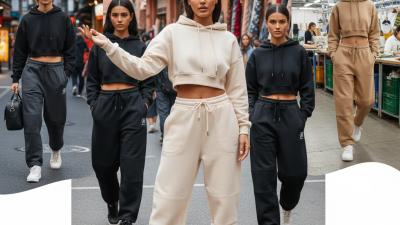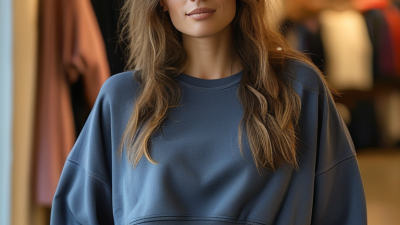
China has become a major sourcing hub for Baggy Tracksuit Pants, combining flexible production with competitive pricing. This guide examines ten manufacturers serving fashion brands, wholesalers, and private-label buyers.
The market looks simple. It is not.
A reliable supplier must manage fabric weight, pattern balance, stitching strength, dye consistency, and size grading. Baggy silhouettes can hide poor construction, yet loose garments still need clean lines and stable shape. Cotton fleece, French terry, recycled polyester, and blended fabrics each create different hand feels and production requirements.
Simon Collins, former dean of London College of Fashion, has said, “Comfort is the new luxury.” That idea explains the continuing appeal of Baggy Tracksuit Pants. Buyers now expect relaxed movement, soft interiors, durable waistbands, and practical pockets. Appearance alone is insufficient.
This overview considers manufacturing experience, customization capacity, sample accuracy, minimum order quantities, communication, and quality-control systems. It also highlights details that are easy to overlook, such as drawcord finishing, shrinkage testing, seam density, and color matching under natural light.
No ranking is perfect. Supplier performance can change with orders, materials, and management. That deserves reflection.
Responsible sourcing also matters. Manufacturers should provide clear fiber information, safe production practices, transparent documentation, and testing that supports applicable market requirements. Buyers should verify claims independently rather than trusting polished catalogues.
The selected companies represent different strengths, from large-scale production to smaller custom workshops. Their capabilities may suit different business models. Careful comparison remains essential before sampling, negotiation, or bulk purchasing.
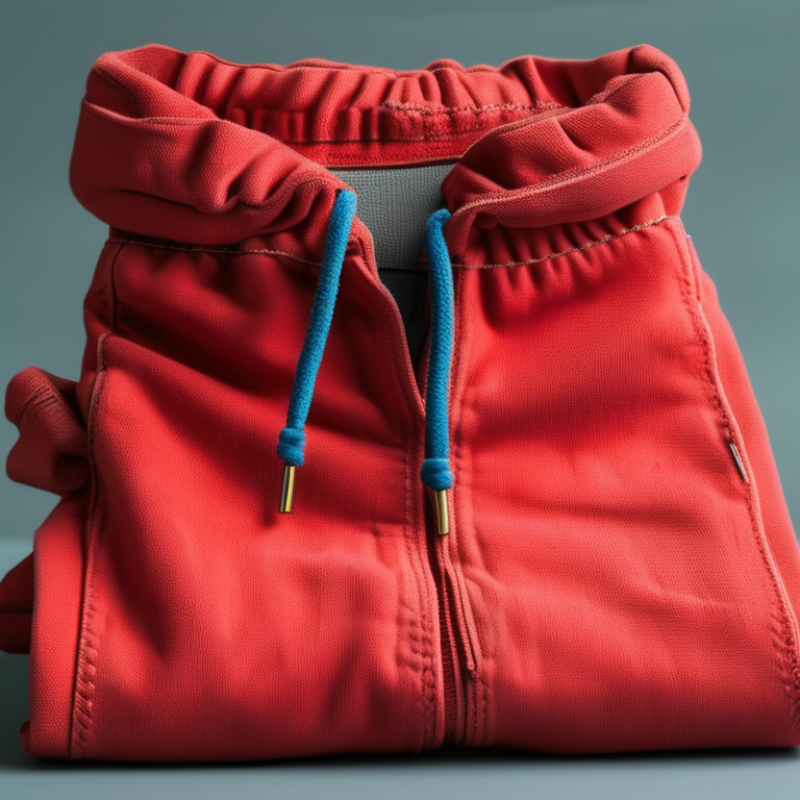
Baggy tracksuit pants are relaxed-fit trousers made for movement, comfort, and layered styling. Their cut usually includes a wider thigh, elastic waistband, adjustable drawcord, and tapered or open hems. Many manufacturers use polyester, cotton blends, or recycled fibers. Fabric weight often ranges from 220 to 360 GSM, depending on climate and intended use. Room to move.
Their design supports warm-ups, recovery sessions, streetwear, travel, and casual work settings. A 2024 Grand View Research report estimated the global athleisure market at about USD 358 billion in 2023, with strong growth expected through 2030. This trend supports demand for looser silhouettes, especially when consumers want athletic comfort outside gyms. The pants may include zip pockets, reinforced seams, brushed interiors, and moisture-managing finishes. However, “moisture-wicking” claims need laboratory testing, not attractive packaging alone.
For manufacturers, practical quality checks matter. A testing program should assess shrinkage after washing, colorfastness, pilling, seam strength, and waistband recovery. The American Society for Testing and Materials provides relevant textile testing methods, while the Global Recycled Standard can support recycled-material claims when certification applies. Statista’s sportswear market data also shows continued online purchasing, making accurate size charts essential. Baggy does not mean shapeless. Poor grading can create excessive fabric around the seat or uncomfortable ankle stacking. That detail is easy to miss, and buyers should review samples across several body sizes.
China’s top ten manufacturers are selected through a practical, evidence-based process. Factory experience matters, but it is not enough. We review production records, workshop capacity, sample quality, and communication speed. A factory visit can reveal details that online profiles hide, such as crowded cutting tables or weak storage systems.
Each manufacturer is compared using measurable criteria. Fabric weight, shrinkage control, seam strength, waistband recovery, and pocket construction receive close attention. We also check whether the supplier can provide material certificates, inspection records, and clear production schedules. Sample orders help us compare fit consistency. One pair may look excellent, while the next pair exposes uneven stitching.
Cost is assessed with the full order in mind. Unit price, minimum order quantity, sampling fees, packaging, lead time, and payment terms are considered together. Lower prices can become expensive when corrections delay delivery. Communication is tested through detailed product questions and revision requests. Responsiveness matters. So does the ability to admit a mistake.
The ranking remains partly subjective. Factory data can change quickly, and one audit cannot show everything. Seasonal demand may affect delivery times. Some smaller manufacturers also perform better than expected on flexible orders. For that reason, our comparison gives practical weight to consistency, transparency, and production evidence rather than advertising claims.
China’s top ten baggy tracksuit pants manufacturers should be compared through measurable production strengths, not polished factory photos. This profile evaluates ten selected suppliers by fabric control, pattern development, compliance systems, and delivery consistency. Grand View Research valued the global athleisure market at approximately USD 358 billion in 2023. Its projected growth makes dependable sourcing increasingly important.
The first profile specializes in heavyweight cotton fleece and precise waist recovery. The second focuses on recycled polyester and low-impact dyeing. Textile Exchange reported that polyester represented about 57% of global fiber production in 2023. The third manufacturer offers flexible minimum orders for emerging labels. The fourth uses automated cutting to reduce panel variation. The fifth develops oversized patterns with reinforced crotches and clean side seams. Small details matter.
The sixth supplier is experienced in garment washing and controlled fading. The seventh provides quick sampling, usually within two weeks. The eighth supports large-volume production with inline inspection checkpoints. The ninth combines cotton blends with moisture-management finishes. The tenth emphasizes traceability, laboratory testing, and documented worker-safety procedures. A practical buyer should request shrinkage results after washing, not just fabric specifications. Many factories still describe quality too broadly. That weakness deserves attention. Production capacity can also change during peak seasons, so recent records matter more than impressive claims.
Material benchmarks commonly used when comparing Chinese baggy tracksuit pants manufacturers. The figures represent typical fabric-weight specifications by construction type, not individual company or brand data.
French terry is widely used for lightweight and transitional-season trousers, while fleece and heavyweight fleece are preferred for warmer streetwear and winter collections. Interlock provides a smoother surface and moderate weight for premium athleisure products.
China’s top 10 baggy tracksuit pants manufacturers are best compared through capabilities, customization, and quality control, not catalog photos alone. Experienced factories often manage pattern development, fabric sourcing, cutting, sewing, washing, printing, embroidery, and packing within one production system. Their workshops may support small trial orders, repeat production, and seasonal capacity changes. This matters when loose silhouettes require stable measurements across sizes. A two-centimeter rise difference can change the fit. Fit is everything.
Customization begins with a technical pack, not a vague reference image. Buyers should confirm fabric weight, fiber blend, shrinkage allowance, waistband height, drawcord length, pocket depth, and cuff construction. Reliable manufacturers provide size charts, pre-production samples, and graded patterns for approval. Some can test cotton fleece, French terry, recycled polyester, or brushed blends. Color matching should use physical lab dips under controlled lighting. Digital previews are useful, but they can mislead.
Quality assessment should cover fabric inspection, shade consistency, needle detection, seam strength, wash testing, and final measurements. Independent inspection can verify cartons before shipment, while factory records improve traceability. Ask for defect classifications and corrective-action reports. A strong supplier explains failure rates honestly, not only successful samples. No factory is perfect. Overlooking this creates risk. Buyers should also review worker safety practices, labeling accuracy, and applicable export requirements. Clear approval gates prevent costly rework, although they can slow urgent orders. That delay is sometimes worthwhile.
| Rank | Anonymized Manufacturer Profile | Primary Production Capability | Typical MOQ | Fabric Options | Customization Scope | Estimated Lead Time | Quality and Compliance Practices |
|---|---|---|---|---|---|---|---|
| 1 | Profile A — Large-Scale Cut-and-Sew Factory | High-volume fleece and jersey tracksuit pants; automated cutting and standard sewing lines | 500–1,000 pieces per color | Cotton fleece, cotton-polyester blend, French terry, recycled polyester | Tech packs, graded sizing, woven labels, screen printing, embroidery, packaging | 25–45 days after approval | Inline inspection, final AQL inspection, needle control, colorfastness testing |
| 2 | Profile B — Private-Label Streetwear Specialist | Oversized and baggy silhouettes for streetwear and fashion collections | 200–500 pieces per style | Heavyweight cotton fleece, brushed terry, loopback cotton, nylon blends | Custom patterns, garment dyeing, wash effects, puff printing, labels and hangtags | 30–50 days after sample confirmation | Pre-production sample approval, measurement checks, shade-band control, AQL 2.5 option |
| 3 | Profile C — Sustainable Knitwear Manufacturer | Low-impact production focused on recycled and preferred-fiber sweatpants | 300–800 pieces per color | Organic cotton, recycled polyester, recycled cotton, TENCEL™ blends | Custom fiber composition, recycled trims, water-based prints, sustainable packaging | 35–55 days after material booking | Fiber transaction documentation, restricted-substance testing, wastewater controls, GRS or OEKO-TEX® options |
| 4 | Profile D — Low-MOQ Sampling and Production Unit | Small-batch development, sampling, and made-to-order casualwear production | 80–200 pieces per style | Midweight fleece, French terry, cotton jersey, spandex-blend fabrics | Pattern adjustments, fit samples, custom waistbands, drawcords, basic logo decoration | 20–35 days after sample approval | First-piece approval, 100% visual inspection for small orders, measurement tolerance checks |
| 5 | Profile E — Performance and Athleisure Factory | Technical joggers and relaxed-fit pants with moisture-management features | 500–1,500 pieces per color | Polyester interlock, stretch fleece, nylon-spandex, moisture-wicking jersey | Reflective transfers, zip pockets, panel construction, silicone labels, performance finishes | 35–60 days after fabric approval | Fabric performance testing, seam-strength checks, colorfastness testing, needle and metal control |
| 6 | Profile F — Fashion Washing and Garment-Dye Facility | Garment-dyed, pigment-dyed, washed, and vintage-effect baggy trousers | 300–700 pieces per color | Cotton fleece, cotton twill, loopback terry, cotton-nylon blends | Custom wash recipes, distressing, enzyme wash, raw-edge details, special color matching | 40–60 days after wash approval | Wash-lot approval, shrinkage testing, crocking tests, dimensional stability checks |
| 7 | Profile G — Integrated Fabric-to-Garment Supplier | Integrated knitting, dyeing, cutting, sewing, and packing for repeat programs | 1,000–3,000 pieces per color | Cotton fleece, poly-cotton fleece, recycled polyester, rib-knit fabrics | Custom fabric weight, color development, trims, size grading, carton and polybag specifications | 45–70 days after bulk fabric confirmation | Batch traceability, laboratory fabric testing, inline QC, final random inspection, ISO 9001 practices |
| 8 | Profile H — Export-Oriented Apparel Manufacturer | Bulk export production for private-label basics and seasonal collections | 800–2,000 pieces per style | Cotton-polyester fleece, French terry, cotton jersey, recycled blends | Custom branding, packaging, barcode labels, size sets, retailer compliance documentation | 35–55 days after purchase-order confirmation | AQL-based final inspection, carton audits, needle policy, social-compliance audit support |
| 9 | Profile I — Premium Heavyweight Sweatwear Maker | Premium heavyweight baggy pants with structured fit and reinforced construction | 250–600 pieces per color | 400–600 GSM cotton fleece, heavyweight French terry, brushed cotton blends | Custom GSM, double-layer waistbands, bartacks, premium embroidery, custom hardware | 40–65 days after prototype approval | GSM verification, shrinkage testing, seam and bartack inspection, pre-shipment quality report |
| 10 | Profile J — Flexible Multi-Category Apparel Factory | Versatile production of casualwear, loungewear, uniforms, and promotional tracksuit pants | 150–500 pieces per style | Cotton jersey, fleece, French terry, polyester, nylon, and blended fabrics | Custom design development, embroidery, printing, trims, packaging, and mixed-size orders | 25–45 days after order confirmation | Incoming-material inspection, production-line checkpoints, finished-garment measurement audit, optional third-party inspection |
Note: MOQ and lead-time figures are typical manufacturing ranges for comparable Chinese apparel production profiles. Actual terms depend on fabric availability, order complexity, decoration, testing requirements, and seasonal capacity.
Choosing a suitable Chinese baggy tracksuit pants manufacturer requires more than comparing prices. Examine fabric weight, stretch recovery, stitching, and pattern accuracy. For relaxed silhouettes, request measurements for the waist, thigh, knee, and hem. A few centimeters can change the entire appearance. Ask for a physical sample before discussing bulk production. Photos alone can hide weak seams and uneven dyeing.
Check the manufacturer’s production experience with similar trousers. Review sample workmanship under bright light. Look inside the waistband, pocket corners, and drawstring openings. These areas often reveal rushed sewing. Confirm the fabric composition, GSM, shrinkage rate, and colorfastness through documented testing. Reliable suppliers should explain their inspection process clearly. Communication matters too. If replies remain vague, production details may become difficult later.
Tips: Start with a small trial order. Compare the approved sample with finished pieces during inspection. Confirm acceptable tolerances in writing. Ask whether the factory can support grading across several sizes. A low MOQ is useful, but it does not guarantee consistency. I would also check factory capacity during peak seasons, because delays are easy to underestimate. My own preference is not always perfect: thicker fabric feels premium, yet it can raise shipping costs and reduce comfort. A practical decision balances appearance, durability, budget, and delivery reliability.