Why Is T Shirt Manufacturing Essential for Global Sourcing?
T Shirt Manufacturing plays a vital role in global sourcing. It serves as the backbone for the apparel industry. With millions of T-shirts sold annually, this sector stimulates economies worldwide. Understanding its importance provides insights into supply chains.
The rapid trend of fast fashion drives demand for T-shirt manufacturing. Brands seek cost-effective solutions. They rely on efficient production processes. However, the pressure to reduce costs can lead to ethical dilemmas. Workers may face unfair labor practices in some factories.
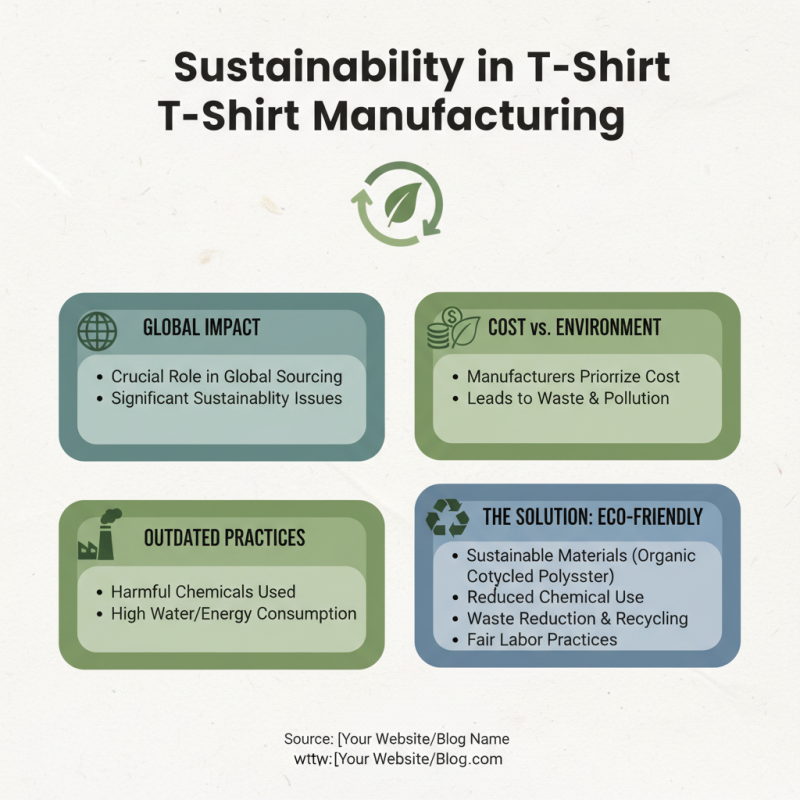
Moreover, the impact of T-shirt manufacturing extends beyond economics. It influences environmental sustainability. The production methods used have significant consequences. Choosing better practices is crucial for future generations. Balancing profit with responsibility remains a challenge. Recognizing this duality is essential for stakeholders in the industry.
The Role of T-Shirt Manufacturing in Global Supply Chains
T-shirt manufacturing plays a pivotal role in global supply chains. The industry accounts for millions of jobs worldwide and generates significant revenue. Approximately 2.1 billion T-shirts are produced annually, demonstrating its vast scale. According to the Global Apparel Market Report, the market value of T-shirt production is projected to reach $300 billion by 2025.
Regional production hubs often face challenges, including labor conditions and environmental impacts. For instance, Cotton Incorporated reported that sustainable practices in T-shirt manufacturing can reduce water usage by up to 90%. This highlights the need for responsible sourcing and manufacturing practices. Despite progress, many factories struggle to maintain compliance with emerging regulations.
Furthermore, T-shirt manufacturing serves as a critical entry point for brands entering new markets. The flexibility in design and production allows businesses to adapt quickly to consumer trends. However, the reliance on fast fashion can contribute to waste and overproduction issues. Reports indicate that around 92 million tons of textile waste is generated annually worldwide. This calls for a reevaluation of manufacturing processes and a commitment to sustainability in the industry.
Importance of T-Shirt Manufacturing in Global Sourcing
The following bar chart illustrates the key roles of t-shirt manufacturing in global supply chains, including volume of production, employment impact, and value contributed to regional economies.
Economic Impact of T-Shirt Production on Developing Countries
T-shirt manufacturing plays a crucial role in the economies of developing countries. It creates jobs for a large number of people, especially women. In many regions, the textile industry is one of the few options for employment. This production offers economic independence to families who rely on this income for basic needs.
However, the impact of this industry isn’t entirely positive. While it generates revenue, wages can be very low. Workers often face long hours and difficult working conditions. Sometimes, factories lack safety standards. This raises questions about ethical sourcing and worker rights. The promise of economic growth must be weighed against ensuring fair treatment for workers.
Additionally, the environmental consequences of T-shirt manufacturing are significant. Water pollution and waste are common issues. Many factories discharge untreated waste into rivers. This jeopardizes local communities and their health. Addressing these challenges requires a commitment from all stakeholders. Sustainable practices need to be prioritized to ensure beneficial outcomes for all involved.
Technological Innovations Shaping the T-Shirt Industry
Technological innovations are revolutionizing the T-shirt manufacturing industry.
Automation and AI are streamlining production processes. A recent report from the International Textile Manufacturers Federation notes that automation could reduce production time by up to 30%.
This increase in efficiency allows companies to meet global demands faster.
Moreover, digital printing technologies have transformed design capabilities. Brands can now produce customized designs on demand.
This flexibility caters to consumer preferences, especially among younger consumers who seek unique styles.
Data from Statista shows that personalized apparel is expected to grow to $150 billion by 2025.
However, these advancements raise important questions. While tech integration boosts efficiency, it may compromise the
handmade quality that many consumers appreciate. The reliance on machines can lead to
furniture-like uniformity in designs.
As the industry evolves, it must balance innovation with craftsmanship. This challenge presents an opportunity for growth and reflection
within the sector.
Consumer Trends Driving Demand for T-Shirt Production Worldwide
The demand for T-shirt production is soaring worldwide. This trend mirrors shifting consumer preferences. People are increasingly conscious of their fashion choices, seeking unique and sustainable options. Fast fashion's impact has also played a role. Consumers desire quick access to trendy designs at a low cost, driving manufacturers to adapt rapidly.
Eco-friendliness is a significant factor in today's market. Many consumers prefer organic cotton or recycled materials, pushing brands to innovate. Transparency in sourcing is essential. Shoppers want to know where their garments come from and how they impact the environment. This need for ethical production creates challenges for manufacturers. They must balance quality, speed, and sustainability on tight budgets.
Small brands are gaining traction in this landscape, catering to niche markets. Their growth highlights a demand for personalized experiences. However, they often struggle with scaling production. Large manufacturers dominate, but customers crave authenticity. The industry must reflect these evolving wants for T-shirts to continue thriving.