What is T Shirt Manufacturing and How to Source Globally?
T Shirt Manufacturing is a complex yet fascinating industry that blends creativity with logistics. Experts like Mark Parker, former CEO of Nike, emphasize the importance of sourcing responsibly. He once said, “Quality starts with skillful sourcing, and T Shirt manufacturing is no different.” This highlights the need for thoughtful procurement in the apparel sector.
The process of T Shirt Manufacturing involves selecting materials, designing, and producing shirts on a large scale. Each step requires precision and a keen understanding of industry trends. Global sourcing offers multiple advantages, such as reduced costs and access to innovative materials. However, it also presents challenges like navigating different regulations and quality standards.
Understanding the intricacies of T Shirt Manufacturing requires experience and expertise. Many newcomers to the industry overlook the significance of sustainable practices. Environmental and labor issues can undermine the benefits of cost savings. Reflecting on these factors can lead to a more responsible approach in manufacturing, ultimately shaping a better future for the apparel industry.

Understanding T-Shirt Manufacturing Processes and Techniques
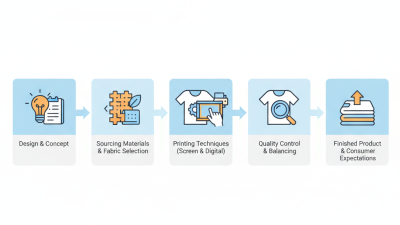
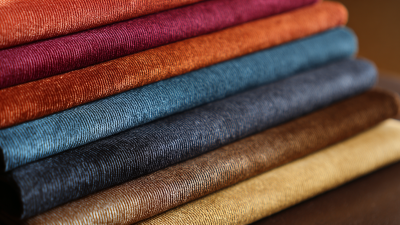
Understanding the nuances of T-shirt manufacturing can significantly enhance product quality. The process begins with fabric selection. Cotton, polyester, and blends are popular choices. Each fabric offers distinct characteristics. For example, cotton is soft and breathable, while polyester is durable and moisture-wicking.
Next comes the cutting and sewing phase. Templates are created to ensure precision. Skilled workers cut the fabric according to these templates. After cutting, the pieces are sewn together. This phase requires attention to detail. Errors can lead to waste, impacting production efficiency.
Finally, printing techniques play a vital role. Screen printing is widely used for its vibrancy. Direct-to-garment printing offers versatility for complex designs. These methods can be challenging. Choosing the right technique is essential. It affects the final product's look and feel. Manufacturers must continually assess their processes for improvement. Finding balance in quality, cost, and timeliness is crucial.
Key Materials Used in T-Shirt Production and Their Selection
When it comes to T-shirt manufacturing, the choice of materials plays a critical role in product quality. Cotton, polyester, and blends are the most common fabrics used. According to a 2021 report by Technavio, the global cotton market size is expected to reach over $15 billion by 2025. This fact underscores the significance of cotton in apparel production. Its breathability and softness make it a top choice for T-shirts. However, sourcing high-quality cotton can be challenging due to environmental concerns and price volatility.
Polyester is another popular option, appreciated for its durability and resistance to wrinkles. As per GlobalData, polyester accounts for approximately 55% of the global textile market. This statistic reflects its widespread use in T-shirt manufacturing. Polyester can also be recycled, addressing some sustainability issues. However, it has lower breathability compared to cotton, which can be a drawback in hot climates. Some manufacturers are turning to organic cotton or recycled materials to balance performance and environmental impact, indicating a shift in material selection.
Choosing the right material often involves trade-offs. It's essential to balance cost, durability, and comfort. For instance, higher-quality materials may raise production costs but enhance customer satisfaction. Companies must be aware of the sourcing channels to ensure reliability. Engaging with certified suppliers can improve material quality and boost brand credibility. Ultimately, material selection is a continuous learning process, where feedback and market trends inform better decisions.
Identifying Reliable Global Suppliers for T-Shirt Manufacturing
Finding reliable global suppliers for T-shirt manufacturing can seem daunting. The market is vast and diverse. However, understanding where to look is key. Start by researching online directories that list manufacturers. Websites often include reviews, which can help gauge reliability. Considering industry recommendations is also beneficial.
Networking is crucial in this process. Attend trade shows and industry events if possible. These venues allow direct interaction with suppliers and showcase their products. Many manufacturers offer samples, giving insights into quality and craftsmanship. Cultivating relationships with suppliers helps establish trust and communication.
Quality and ethical standards cannot be overlooked. Assessing a supplier’s certifications guarantees they adhere to industry norms. Some manufacturers may lack transparency, leading to future issues. Third-party audits provide additional assurance. This diligence in sourcing ensures a successful T-shirt production cycle, ultimately benefiting all parties involved.
Evaluating Quality Control Standards in T-Shirt Production
Evaluating quality control standards in T-shirt production is crucial for ensuring a reliable final product. Different manufacturers may have varying levels of adherence to quality standards. This inconsistency can lead to issues like color fading, fabric wear, and inconsistent stitching. A deep dive into quality assurance protocols can mitigate these problems.
One effective approach is regular inspections at different stages of production. For instance, inspecting raw materials before production starts can prevent future issues. Documenting each inspection can also help trace back problems if they arise later. It’s essential to communicate clearly with manufacturers about expectations regarding quality. Sometimes, these expectations may not align, leading to disappointment.
Another area for reflection involves understanding the limitations of remote quality control. When sourcing globally, it’s common to rely on third-party agencies for inspections. While they offer expertise, they may not capture all quality issues. Regular visits to production sites can provide deeper insights into actual practices. This hands-on approach fosters better relationships and a more thorough understanding of quality standards. Investing in these aspects ultimately enhances product reliability in the competitive market.
What is T Shirt Manufacturing and How to Source Globally? - Evaluating Quality Control Standards in T-Shirt Production
| Country |
Average Production Cost (per unit) |
Lead Time (days) |
Quality Control Standards |
Common Fabric Types |
| China |
$2.50 |
30 |
ISO 9001, BSCI |
Cotton, Polyester |
| Bangladesh |
$3.00 |
35 |
WRAP, GOTS |
Organic Cotton, Blends |
| Vietnam |
$2.80 |
28 |
OEKO-TEX, ISO 14001 |
Cotton, Rayon |
| India |
$2.20 |
40 |
SA8000, GOTS |
Cotton, Linen |
| Turkey |
$3.50 |
25 |
ISO 9001, Sedex |
Cotton, Polyester Blend |
Navigating Global Logistics and Shipping for T-Shirt Supplies
Navigating global logistics and shipping for T-shirt supplies involves several key considerations.
Start by understanding the different shipping options available, such as air freight and sea freight.
Air freight is faster but more expensive. Sea freight is budget-friendly but takes longer.
Assess your timeline and budget to choose wisely.
When sourcing T-shirts globally, familiarize yourself with customs regulations.
Different countries have varying import duties and taxes. Delays can occur if paperwork is incomplete.
Consider working with a reliable freight forwarder. They can handle logistics and navigate potential challenges.
A good partner is essential for smooth operations.
Building relationships with suppliers is crucial. Communication can break down barriers.
Be clear about your expectations and timelines.
This can prevent misunderstandings and delays. Always ask for samples. This can help you gauge quality before placing larger orders.
Regularly assess your logistics process. There’s always room for improvement.