Why You Should Supply T Shirts for Global Buyers Today?
In today's global market, the need to supply T Shirts has become increasingly crucial. Businesses are recognizing the potential of this simple garment to reach diverse audiences worldwide. T Shirts are not just clothing; they are a canvas for expression and identity. They cater to various tastes and preferences, allowing companies to innovate and engage with different cultures.
However, entering this competitive landscape requires careful consideration. Quality matters, and buyers expect durability and style. Brands must also navigate the challenges of supply chains, sourcing, and marketing. It is essential to understand buyer trends and develop strategies that resonate with global consumers.
While the rewards can be significant, the risks are real. Failing to adapt or misjudging demand can lead to unsold inventory and financial setbacks. Consequently, it is important to analyze market data and consumer feedback regularly. Embracing this proactive approach will help businesses not only supply T Shirts but also thrive.

The Growing Demand for T-Shirts in the Global Market
The global demand for T-shirts has surged dramatically in recent years. According to a report by Grand View Research, the market is expected to reach over $200 billion by 2025. This growth reflects a shift in consumer behavior, with more people opting for casual wear. Sustainability concerns have also influenced purchasing decisions, driving buyers towards eco-friendly options.
The rise of online shopping has made global access easier for T-shirt suppliers. Data from Statista indicates that online retail sales accounted for 19% of total sales in 2021. This trend showcases the importance of digital presence for sellers. Entering the online market requires adaptable strategies and constant engagement with buyers. Suppliers must stay updated on design trends and customer preferences.
While the opportunities are vast, challenges remain. The competition is fierce, with countless brands vying for attention. Differentiating products is essential. Suppliers must reflect on their offerings and identify unique selling points. The dynamic nature of the fashion industry means constant innovation is necessary. Balancing trend responsiveness with sustainable practices presents both a challenge and an opportunity for growth.
Understanding the Benefits of Supplying T-Shirts to International Clients
The global T-shirt market has shown remarkable growth, projected to reach over $200 billion by 2025. This surge indicates a growing demand from various international clients. Supplying T-shirts to these buyers opens doors to vast opportunities. However, navigating this market requires understanding trends and cultural preferences.
International clients often seek unique designs and quality fabrics. According to the Global Apparel Market Report, personalized and eco-friendly products are in high demand. Sourcing materials from sustainable suppliers can enhance brand credibility. Yet, challenges arise. Understanding different regulations, shipping logistics, and market entry strategies can be daunting.
Data from Statista reveals that more than 30% of consumers prefer purchasing from local businesses, highlighting the importance of regional customization. It’s crucial to adapt your offerings to local tastes while ensuring quality. Some suppliers face difficulties in balancing production speed and environmental responsibility. This reflection on production practices is vital for long-term sustainability.
Key Factors Influencing Global Buyers' Interest in T-Shirt Products
In today's global marketplace, T-shirts have become a staple consumer item. Understanding the factors influencing buyers can greatly enhance your strategy. Quality, customization, and sustainability are critical aspects that draw international interest. Buyers often seek unique designs that reflect personal styles. Offering customizable options can boost your appeal.
Tips: Focus on high-quality fabric. A good T-shirt feels great and lasts long. Customers appreciate durability, so invest in reliable materials.
Sustainability is another significant factor. Many global buyers prefer eco-friendly products. Offering T-shirts made from organic cotton or recycled materials can attract eco-conscious consumers. Transparency about your sourcing practices also boosts credibility.
Finally, having a diverse range of sizes and styles is vital. Inclusive options help capture a broader audience. Consider cultural preferences when designing your collection. Keep an eye on trends but remain true to your brand identity.
Strategies for Successful T-Shirt Supply to Global Buyers
The global T-shirt market is booming, projected to reach $200 billion by 2025. This growth offers unique opportunities for suppliers. To capitalize on this potential, it is essential to adopt effective strategies for reaching international buyers.
One effective strategy is to utilize e-commerce platforms. These platforms provide access to diverse markets without the need for physical stores. Companies that embrace online sales increase visibility and drive sales. Data from Statista indicates that over 2.14 billion people online shop. This presents a vast audience for T-shirt suppliers willing to engage digitally. Ensure your online presence is optimized to attract global buyers.
A significant challenge in the T-shirt supply chain is maintaining quality while managing costs. Reports show that 53% of consumers consider quality vital. To address this, suppliers should establish strong relationships with manufacturers. Prioritizing quality control can enhance brand reputation. Building trust through consistent quality can lead to repeat purchases. Remember, transparency is essential in global trade. Effective communication about sourcing and production can build understanding and loyalty among international buyers.
Potential Challenges and Solutions in the Global T-Shirt Supply Chain
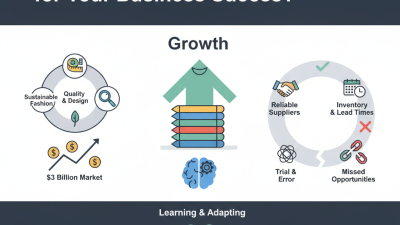
Supply chains for T-shirts in the global marketplace are complex. These networks face potential hurdles that can disrupt production and distribution. For instance, sourcing materials can be challenging. Cotton prices fluctuate, impacting overall costs. Often, manufacturers struggle to secure consistent quality. This inconsistency can lead to delays and loss of business.
Logistical issues further complicate the process. Shipping delays are common, especially during busy seasons. Customs regulations vary by country, introducing unpredictability. Adapting to changing import/export laws demands flexibility and resources. Many businesses don’t anticipate these challenges, which can hinder their growth.
One solution involves establishing strong relationships with reliable suppliers. By fostering open communication, brands can better navigate supply challenges. Incorporating technology can also enhance tracking and forecasting. These measures create a more resilient supply chain. Companies should reflect on their current strategies and seek improvements. Embracing change is vital in today’s fast-paced market.