How to Source Quality T Shirts for Your Business Needs?
Sourcing quality T-shirts is crucial for any business that relies on clothing. According to John Taylor, an industry expert at Supply T Shirts, "The right fabric and fit make all the difference." This statement underscores the importance of selecting the right products to meet customer expectations.
When sourcing T-shirts, consider fabric types and comfort. Cotton blends offer durability and softness, which can enhance customer satisfaction. It's not just about the design but the overall feel of the shirt. Many businesses overlook the impact of quality. In my experience, unsatisfied customers rarely return.
Knowing your target market is vital. Research their preferences and trends. Pay attention to styles that resonate with them. Sourcing should align with brand values, aesthetics, and price points. Failing to do this may yield poor sales. So, take the time to assess potential suppliers carefully. Quality should never be compromised in the pursuit of affordability.

Understanding Your Target Market and T-Shirt Requirements
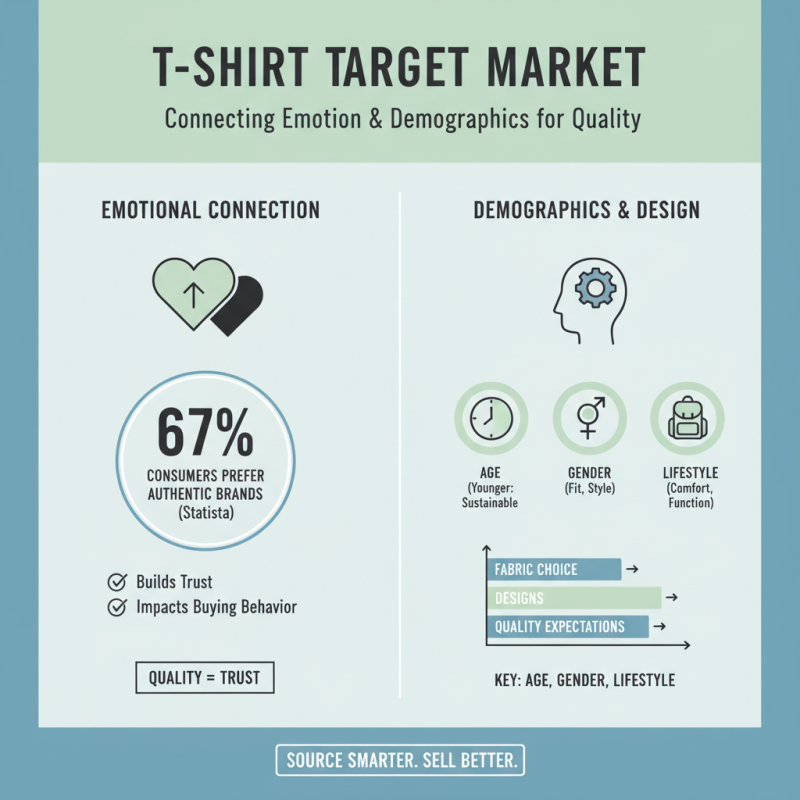
Understanding your target market is vital for sourcing quality T-shirts. The emotional connection consumers have with a brand can significantly impact purchasing behavior. A report by Statista shows that 67% of consumers prefer brands that are authentic and transparent. Therefore, understanding demographics is key. Age, gender, and lifestyle influence fabric choice, designs, and overall quality expectations. For instance, younger generations may lean towards sustainable options, preferring organic cotton or recycled materials.
T-shirt requirements also depend on the purpose of the merchandise. Whether for promotional events, retail, or giveaways, each scenario demands distinct qualities. A survey by Market Watch reveals that 42% of apparel buyers prioritize comfort over style when selecting T-shirts. This demonstrates how fit and fabric can directly affect customer satisfaction. Engaging with your audience through social media or surveys can provide insights into their preferences.
Quality sourcing requires a keen understanding of these factors, but many brands overlook them. Some may focus solely on price, compromising quality and brand perception. In an industry where 50% of customers say they will leave a brand after one bad experience, insufficient attention to quality can lead to lost sales. The quest for the right T-shirt goes beyond just finding suppliers; it requires a deep dive into what your market really values.
Identifying Reliable Sources for Quality T-Shirt Suppliers
Finding reliable sources for quality T-shirt suppliers is crucial for any business. Research from the ApparelSearch shows that the global T-shirt market is projected to reach $10 billion by 2025. This growth indicates a rising demand for quality products. Businesses must ensure they choose suppliers who meet their specific needs.
One key factor to consider is the supplier's manufacturing process. Transparency in production helps assess quality control. A recent study by Textile Exchange reveals that 87% of consumers prioritize sustainable practices. Thus, suppliers using eco-friendly materials may offer a competitive edge. Look for suppliers who provide detailed information about their sourcing and production methods.
Another important aspect is the supplier's reputation and reviews. In a survey by The Fashion Institute of Technology, 72% of small businesses reported that they rely on customer feedback when choosing suppliers. Engaging with online communities and forums can yield valuable insights into supplier reliability. Recognizing the potential for inconsistent quality or service can help in making informed choices. Trustworthy suppliers often showcase certifications and partnerships that underscore their commitment to quality.
How to Source Quality T Shirts for Your Business Needs?
| Supplier Type |
Location |
Quality Rating (Out of 5) |
Minimum Order Quantity |
Lead Time (Days) |
Price Range (per unit) |
| Wholesale Distributor |
USA |
4.5 |
100 |
10 |
$5 - $15 |
| Custom Print Shop |
Canada |
4.0 |
50 |
15 |
$8 - $20 |
| Factory Direct |
China |
4.8 |
500 |
30 |
$3 - $10 |
| Local Artisan |
Germany |
4.6 |
20 |
7 |
$12 - $25 |
Evaluating Fabric and Print Quality for Durability and Comfort
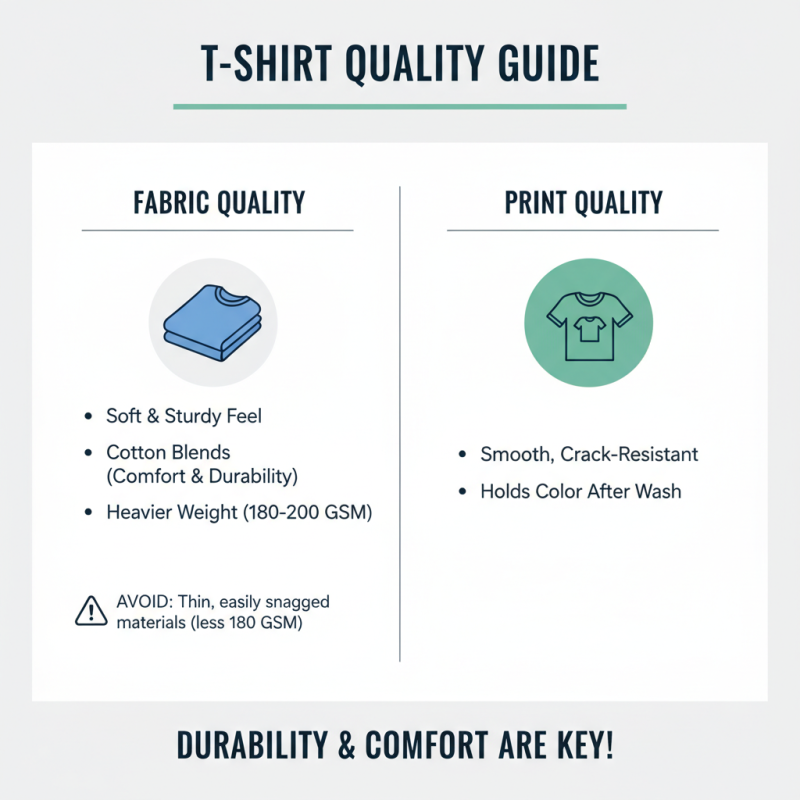
When sourcing quality T-shirts, fabric and print quality are crucial. The fabric should feel soft yet sturdy. Cotton blends are popular for their comfort and durability. Look for T-shirts with a heavier fabric weight, usually around 180-200 GSM. Lighter fabrics may be comfortable but can wear out quickly. Try to avoid overly thin materials that can snag easily.
Print quality plays a vital role in the shirt's longevity. Screen printing generally offers vibrant colors and durability. Ensure the ink used is of high quality, as lower quality inks may fade or crack after a few washes. Evaluate samples before committing to large orders. Pay attention to the stitching as well; loose threads can indicate poor craftsmanship. A well-stitched T-shirt not only enhances durability but also provides a polished appearance.
Selecting the right T-shirts involves careful consideration of these factors. Balancing comfort, print quality, and fabric durability is key. It may take several attempts to find the perfect combination that fits your brand's needs. Test different options and seek feedback from your target audience. Each shirt should reflect a commitment to quality that resonates with customers.
Comparing Costs and Pricing Strategies for Your T-Shirt Business
Pricing strategies are crucial for your T-shirt business. Consider the balance between cost and consumer expectations. Effective pricing should reflect quality while remaining competitive. Research your target market's willingness to pay. This understanding helps in setting appropriate prices.
Tip: Start by calculating your production costs. Include material, labor, and overhead. This gives you a baseline. Don’t forget about shipping and marketing expenses.
Discounting can attract customers, but it needs to be strategic. Offering discounts can increase sales in the short term. However, be cautious not to devalue your brand. Frequent discounts might make customers hesitate to pay full price. This is a fine line to walk.
Tip: Consider bundling products or offering limited-time promotions. Both methods can create urgency. Experiment with different strategies to see what resonates with your audience.
You should always evaluate and refine your pricing model. Competitive analysis is key here. Regularly check how other brands price similar products. This change enhances your understanding of market dynamics. Engaging with real-time customer feedback can also guide your adjustments.
Building Long-Term Relationships with T-Shirt Manufacturers
Building long-term relationships with T-shirt manufacturers can significantly benefit your business. Often, the quality of your product depends on the reliability of your supplier. Establishing trust with manufacturers ensures consistent quality and communication. Creating transparency in your interactions will lead to fruitful partnerships.
Tips for nurturing these relationships include regular communication. Check in frequently to discuss updates or potential issues. Taking the time to visit factories can also enhance your connection. Face-to-face meetings often reveal insights that emails can't convey.
Another important factor is feedback. Share your thoughts on the product quality. Suppliers appreciate constructive criticism. It helps them improve and meet your expectations. However, be careful with over-communication, as it can overwhelm them. Finding the right balance is key. Aim for a partnership built on mutual respect and understanding.