Choosing the right Suit Supply Shirts for your business is essential. Shirts play a vital role in creating a professional image. The right fit and fabric can enhance your team’s confidence and presence.
When selecting Suit Supply Shirts, consider the style and color that align with your brand. A well-fitted shirt reflects attention to detail. Fabrics like cotton or linen offer comfort and breathability. Pay attention to collar types and cuff styles; they can speak volumes about your professionalism.
Remember, choosing the best shirts is not a one-size-fits-all approach. Reflect on your team's needs and preferences. Not every option may suit everyone, so it’s worth evaluating fit and comfort. A thoughtful selection process will lead to improved employee satisfaction.

In today's business world, quality shirts are essential for making a strong impression. A well-fitted shirt can enhance your confidence and professionalism. It's not just about appearance; quality fabrics contribute to comfort and durability. When selecting shirts for your business attire, focus on materials that breathe well. Cotton and blends are often good choices.
Consider the cut of the shirt. A tailored fit may project authority, while a classic fit can provide comfort. Pay attention to details like collar styles and sleeve lengths. These small factors significantly impact your overall look. You may find some shirts wrinkle easily. This can be a reflection of lower quality.
Tips: Assess the stitching quality. Double-seams indicate better durability. Check for colorfastness too; fabrics that fade quickly may not hold up well in the long run. Don’t overlook the importance of proper care. Washing instructions can affect the longevity of your shirts. Aim to strike a balance between style and functionality. Quality shirts can elevate your brand’s image, reflecting your commitment to excellence.
When selecting the right fabric for professional shirts, consider the environment you'll be in. Breathable fabrics, like cotton, are ideal for warm climates. Reports show that 65% of workers prefer breathable materials for all-day comfort. In colder settings, heavier fabrics such as wool blends can provide warmth without sacrificing style.
Fit is equally crucial. A shirt should allow for easy movement yet maintain a polished look. Studies indicate that well-fitted clothing boosts confidence. Measurements can vary significantly, leading to challenging decisions. Many people find it hard to choose between tailored fits and more relaxed options. It's essential to try different styles and pay attention to how they feel throughout a long workday.
Pay attention to details like collar types and sleeve lengths. These aspects influence both comfort and professionalism. A poorly chosen collar can disrupt the whole outfit. Moreover, remember that personal comfort will affect your confidence. Investing time in finding the perfect shirt fabric and fit reflects personal and professional standards. Don’t hesitate to seek expert advice if you feel overwhelmed by choices.
| Fabric Type | Breathability | Durability | Fit Type | Recommended Use |
|---|---|---|---|---|
| Cotton | High | Medium | Classic Fit | Office Wear |
| Polyester Blend | Medium | High | Slim Fit | Casual to Semi-Formal |
| Linen | Very High | Low | Relaxed Fit | Warm Weather |
| Wool | Medium | Very High | Tailored Fit | Formal Occasions |
| Cotton Sateen | High | Medium | Fitted | Business Casual |
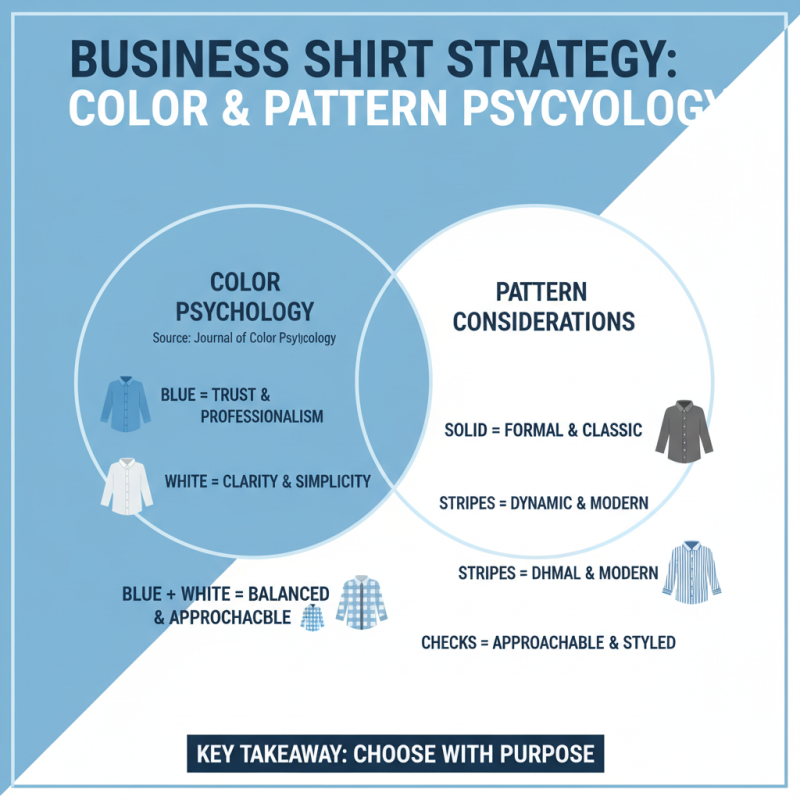
When considering shirts for a business environment, color and pattern play crucial roles. Research from the Journal of Color Psychology indicates that color affects perceptions of professionalism. For example, blue shirts often evoke trust, while white conveys clarity and simplicity. A mix of these colors can create a balanced, approachable look.
Patterns also bring unique challenges. Solid colors are often safer bets, especially in conservative industries. However, subtle patterns, like micro-checks or faint stripes, can add a modern touch without overwhelming the image. A 2021 survey by the Fabric Institute noted that 30% of professionals believe that patterns enhance creativity. Yet, inappropriate patterns can distract from professionalism.
Reflecting on these choices, it’s essential to understand context. A vibrant, bold shirt may work in creative fields but may not resonate in traditional corporate settings. The goal is to align shirt choices with company culture while still expressing individual style. Striking this balance requires careful thought and a willingness to reassess one’s choices regularly.
When selecting shirts for business attire, budget constraints are a key consideration. A study by the National Retail Federation shows that the average American spends about $1,800 annually on clothing. This figure emphasizes the need for careful budgeting. However, cutting costs should not mean compromising on quality. A well-made shirt can last longer, often providing a better return on investment.
Investing in quality fabrics pays off. According to industry reports, 70% of consumers notice the difference in fabric quality. Shirts made from breathable materials tend to keep employees comfortable, leading to increased productivity. While high-quality options may have a higher upfront cost, they can reduce replacement frequency, ultimately saving money.
Finding a balance can be challenging. Cheap shirts may look appealing at first but often show wear quickly. A survey found that 60% of businesses regret choosing low-cost options due to negative employee feedback. Prioritize durability and style when selecting shirts. Consider materials like cotton or linen for their longevity while remaining professional.
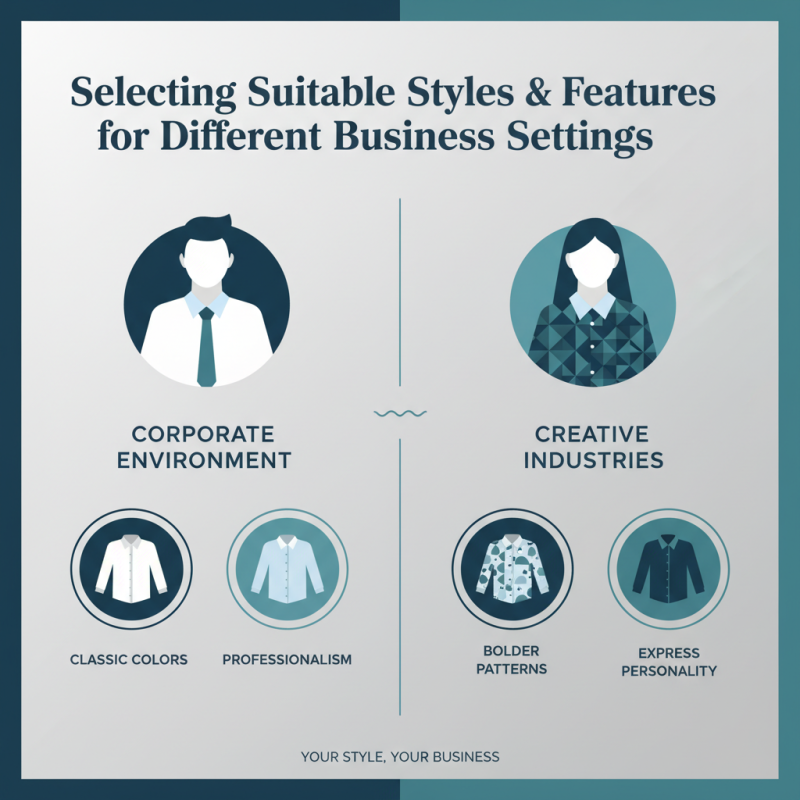
Choosing the right shirt for various business settings requires thoughtful consideration. In a corporate environment, opt for classic colors like white or light blue. These shades convey professionalism. For creative industries, don't shy away from bolder patterns or colors. A subtle print can express your personality without overwhelming your attire.
Fit is crucial. A tailored shirt enhances your appearance and boosts confidence. Consider the fabric as well; breathable materials for warmer climates ensure comfort. In contrast, heavier fabrics may be suitable for colder environments. Pay attention to collar styles too; a point collar provides a timeless look, while a spread collar offers a modern twist.
Think about the occasion. A formal meeting may require a more conservative style, while a casual Friday could open the door for relaxed options. Reflect on your personal style as well. It might be tempting to follow trends, but authenticity resonates more. Everyone’s comfort level varies, so choose what feels right for you. Balancing these elements can be challenging, but it’s essential for presenting yourself well in any business setting.