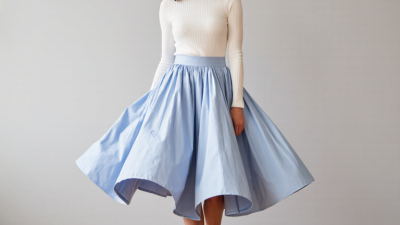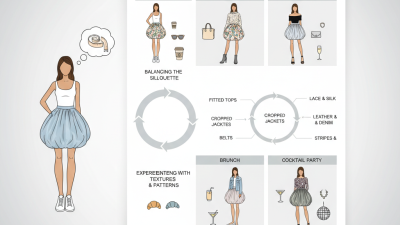
A Bubble Skirt can look effortless on a hanger, yet its rounded shape depends on careful pattern work, lining, and controlled gathering. For global buyers, choosing a supplier is not just a matter of comparing unit prices. Stitch consistency, fabric recovery, sample accuracy, and clear communication all matter. A small mismatch in the lining can change the silhouette. The hem may also sit differently across sizes. Details show.
Fashion designer Coco Chanel is often credited with saying, “In order to be irreplaceable one must always be different.” The line is not about sourcing, but it speaks to why buyers should assess a supplier’s ability to reproduce a distinctive shape—not merely follow a trend. This guide to 2026 Bubble Skirt suppliers examines product capability, customization, sampling, production transparency, and export experience. It also considers practical signals, such as whether a supplier explains fabric choices and flags construction limits before bulk orders begin.
No shortlist can predict every production issue. A polished sample may not tell the whole story. Buyers should verify claims, request relevant references, and compare pre-production samples with agreed specifications. The suppliers covered here are starting points for due diligence, not automatic endorsements.
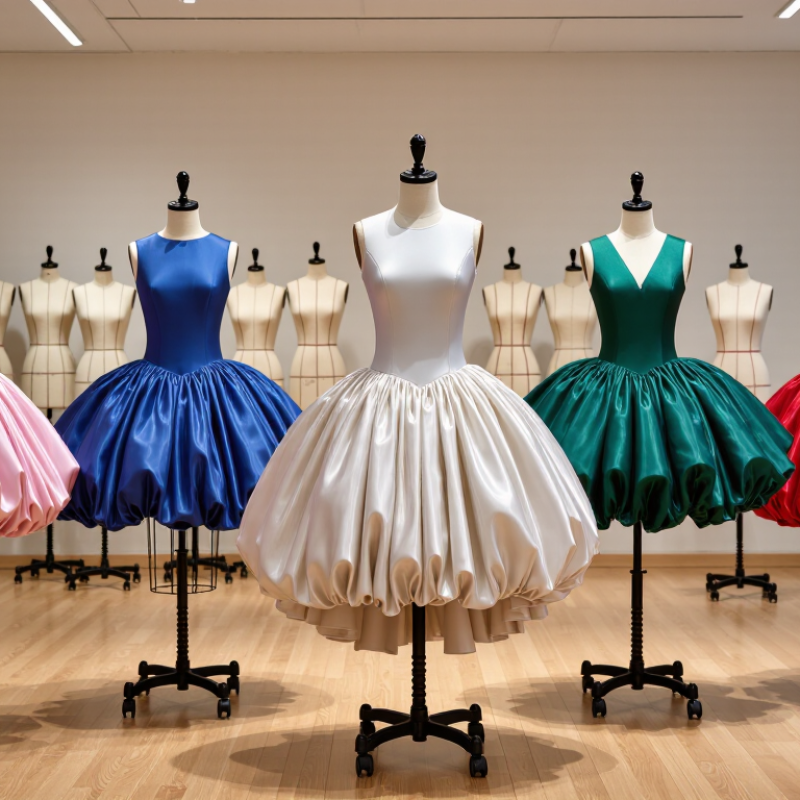
A dependable bubble skirt supplier understands how volume, lining, and fabric weight work together. The gathered outer layer should hold its rounded shape without feeling stiff. A lightweight lining can reduce bulk, while elastic or structured waistbands affect comfort and fit. Small construction choices matter.
Ask for a sample before discussing large orders. Check the hem from several angles, stretch the waistband, and inspect the gathers for uneven stitching. Request clear measurements, fabric composition, available size ranges, and care instructions. A capable supplier can explain how these details may change between fabric options or production runs. Specific answers are more useful than broad promises.
Production planning also defines supplier quality. Confirm sample timelines, minimum order quantities, repeat-order procedures, and how defects are recorded. Ask whether fabric lots are checked for shade differences before cutting. Details matter. A written specification helps both sides catch mistakes, though it cannot prevent every variation. Bubble skirts can be surprisingly sensitive to fabric changes, and even an experienced supplier may need adjustments after the first fit review. Look for a team willing to document those changes and discuss realistic delivery dates.
Bubble-skirt suppliers differ most in how they engineer volume. Crisp cotton poplin creates a defined dome; lighter taffeta moves softly. Stretch lining can reduce pulling at the hip. Ask for fabric weight, lining composition, elastic recovery, and hem-channel width. Small changes matter. A wide casing may flatten the shape, while uneven gathers can twist after washing.
Textile Exchange’s Materials Market Report 2024 estimates global fiber production reached 124 million tonnes in 2023, with 160 million tonnes projected by 2030. This growing material market makes clear documentation valuable. Strong suppliers specify fiber blends and track fabric lots. They also flag substitution risks before cutting begins. A certificate alone is not enough; check that it covers the fabric used in your order.
Service differences show up in sampling and quality checks. Request a fit sample, then inspect the skirt while walking and sitting. Check whether the lining rides up and whether the hem returns to shape. One sample is not proof. Ask how measurements are graded across sizes, and request inspection photos from bulk production. Even a capable supplier can miss details when the approved sample and production fabric differ. That gap deserves attention.
Evaluate a bubble skirt supplier by how clearly it explains the silhouette, not by catalog photos alone. Ask for a development sample in the intended fabric and lining. Check whether the gathered hem keeps its rounded shape after a gentle wash and a full day of wear. Small details matter: even gathers, secure elastic, smooth lining, and seams that do not twist.
Fabric knowledge is equally important. Request the material composition, fabric weight, shrinkage results, colorfastness checks, and size specifications in writing. Compare measurements across sizes; a skirt that looks balanced in one sample may lose its shape in larger sizes. Ask how revisions, defects, and replacement samples are handled. Clear answers are useful. Vague promises are not.
Review production capacity and delivery evidence before placing a large order. Confirm minimum quantities, sample and production lead times, packing details, and inspection steps before dispatch. Recent inspection records or a small pilot order can offer useful evidence. A low quote may mean thinner lining or uneven gathering, though price alone proves little. A checklist still has limits. Fabric behavior can vary between batches, so keep an approved sample and inspect early production pieces.
A low unit price can hide costs in lining, freight, rework, or packaging. Compare quotes against the same specification: shell composition, fabric weight, lining, elastic width, skirt length, and size range. For a bubble skirt, inspect how evenly the gathers hold their volume and whether the hem twists after washing. Ask for a size-set sample, not only a photo sample. Small details matter.
Textile Exchange’s Materials Market Report 2024 estimates that global fiber production reached 124 million tonnes in 2023, with polyester accounting for 57%. Ask suppliers to identify fiber content and provide relevant test records; request confirmation that bulk fabric matches the approved sample. Check color consistency, seam strength, and shrinkage before placing a large order. A polished sample is not proof of consistent production.
Compare lead times by milestone: fabric booking, sample approval, cutting, sewing, inspection, and shipment. Ask what could delay each stage, and whether the quoted date includes quality checks.
For compliance, request current factory information, audit documentation, and traceability records. The ILO has reported that textile and clothing industries employ more than 60 million people worldwide, making responsible supplier checks important. Paperwork can look complete. Verify it. I would also revisit my own scorecard: a cheaper quote may win on paper while creating more waste through defects or late delivery.
Before partnering with a bubble skirt supplier, send a clear specification sheet. Include the waist measurement, skirt length, lining, fabric weight, and desired volume. A reference photo helps, but measurements prevent mismatched expectations. Ask how the supplier creates the rounded shape, such as through gathered panels or structured lining.
Request a sample before discussing a large order. Check whether the waistband twists, the hem hangs evenly, and the skirt keeps its shape after gentle washing. Look closely at seam allowance, loose threads, and fabric opacity under bright light. Small details matter. Ask for recent production photos and a written explanation of their inspection process. A polished sample is useful, but it does not prove every bulk garment will match.
Confirm production capacity, sample timing, minimum order quantity, and payment milestones in writing. Ask how fabric substitutions or delays will be handled, and who approves changes. If possible, speak with a recent buyer or arrange a third-party inspection. Compare answers across suppliers rather than relying on the lowest quote. I would not assume a quick reply means strong quality control; sometimes the most important questions need a second follow-up. Keep records of approved measurements, colors, and sample comments so both sides can check the same details during production.
A practical evaluation framework for verifying and partnering with a bubble skirt supplier.
How to use this chart: These recommended evaluation weights are a buyer’s planning framework, not market-survey results. Verify product samples, fabric and construction details, quality-control procedures, production capacity, delivery terms, and export documentation before placing an order.